
China's excavator parts industry is not spread evenly across the country; it sits in a handful of industrial clusters, and each cluster has a different speciality. Knowing which region makes which part is the fastest way for an overseas buyer to build a shortlist, because a cluster keeps the steel supply, the heat treatment and the machining within a short distance of each other.
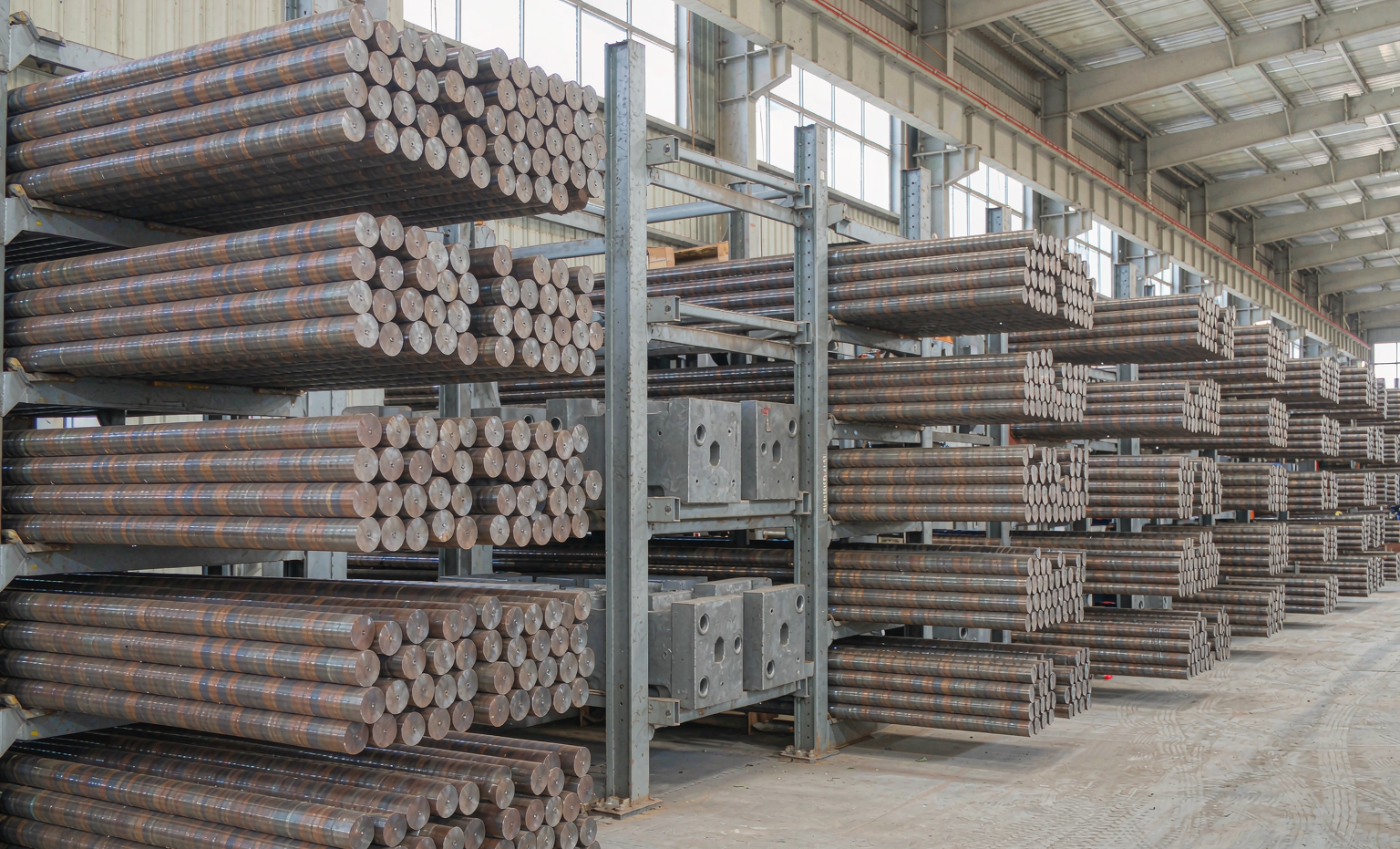
Which regions make which excavator parts?
As a general map of the industry rather than a ranking:
- Shandong — heavy industry and steel. Jining, Linyi and the surrounding cities host construction-machinery plants, bar and plate suppliers and forging capacity, which is why pins, bushings and wear parts are concentrated here.
- Jiangsu — Xuzhou is the home base of a major Chinese excavator manufacturer, and the regional supply chain serves both OEM production and the aftermarket.
- Hunan — Changsha is the base for two of China's largest construction-machinery groups, with hydraulic and structural parts around them.
- Fujian — Quanzhou and Xiamen are long-established centres for undercarriage parts such as rollers, idlers, sprockets and track chains, and for used machinery trading.
- Hebei and Liaoning — foundry and forging capacity, supplying cast and forged blanks to the machining clusters.
- Zhejiang and Guangdong — precision machining, seals, and a large population of export trading companies.
Why does the cluster matter to a buyer?
A part is a sequence: steel grade, forging or casting, machining, heat treatment, inspection and packing. Where those steps sit within an hour of each other, the producer controls lead time and consistency. Where they do not, the “manufacturer” is assembling from other people's output and cannot answer questions about the process. That distinction affects price stability as much as it affects your ability to get a technical answer.
How do I tell a factory from a trading company?
Ask for the process, not the product. A factory can describe its own heat-treatment line, its machining steps and its inspection points, and can show photographs of them. A trading company can describe the product but not the process, and its quotations move with the market because it is buying the same way you are. Neither is automatically wrong for a small order, but you should know which one you are dealing with before you set expectations on lead time and traceability.
What export classification do excavator parts use?
Parts for excavators, loaders and dozers normally fall under HS heading 8431, which covers parts suitable for use solely or principally with the machinery of headings 8426, 8429 and 8430. Within that heading, excavator parts are commonly declared under subheading 8431.49. Classification depends on the material and on how the part is made, so confirm the code with your customs broker. A wrong code is a delay, and it can also hide preferential duty treatment you are entitled to.
What documents should ship with the goods?
- Commercial invoice and packing list.
- Bill of lading, or air waybill for small consignments sent by air.
- Certificate of origin, on the correct form for the destination trade agreement.
- Material or inspection certificates, where the buyer has requested them.
How should a buyer approach a first order?
Start with a trial quantity and check it: measure a sample, compare it with the original, and confirm the packing survived the journey. Only then move to volume. A supplier that supports a small first order is showing that it can handle specification at the detail level, which is exactly what a repeat order depends on. Our own ranges are listed under bucket pin manufacturers, bucket teeth manufacturers and rollers, with undercarriage in undercarriage parts.