
Hitachi Construction Machinery has spent 2026 moving decisively toward electrification, and the announcements have re-opened an old question for parts buyers: if the machines are going electric, how long does the diesel parts business have? The honest answer, based on the same developments that prompted the question, is longer than the headlines suggest.
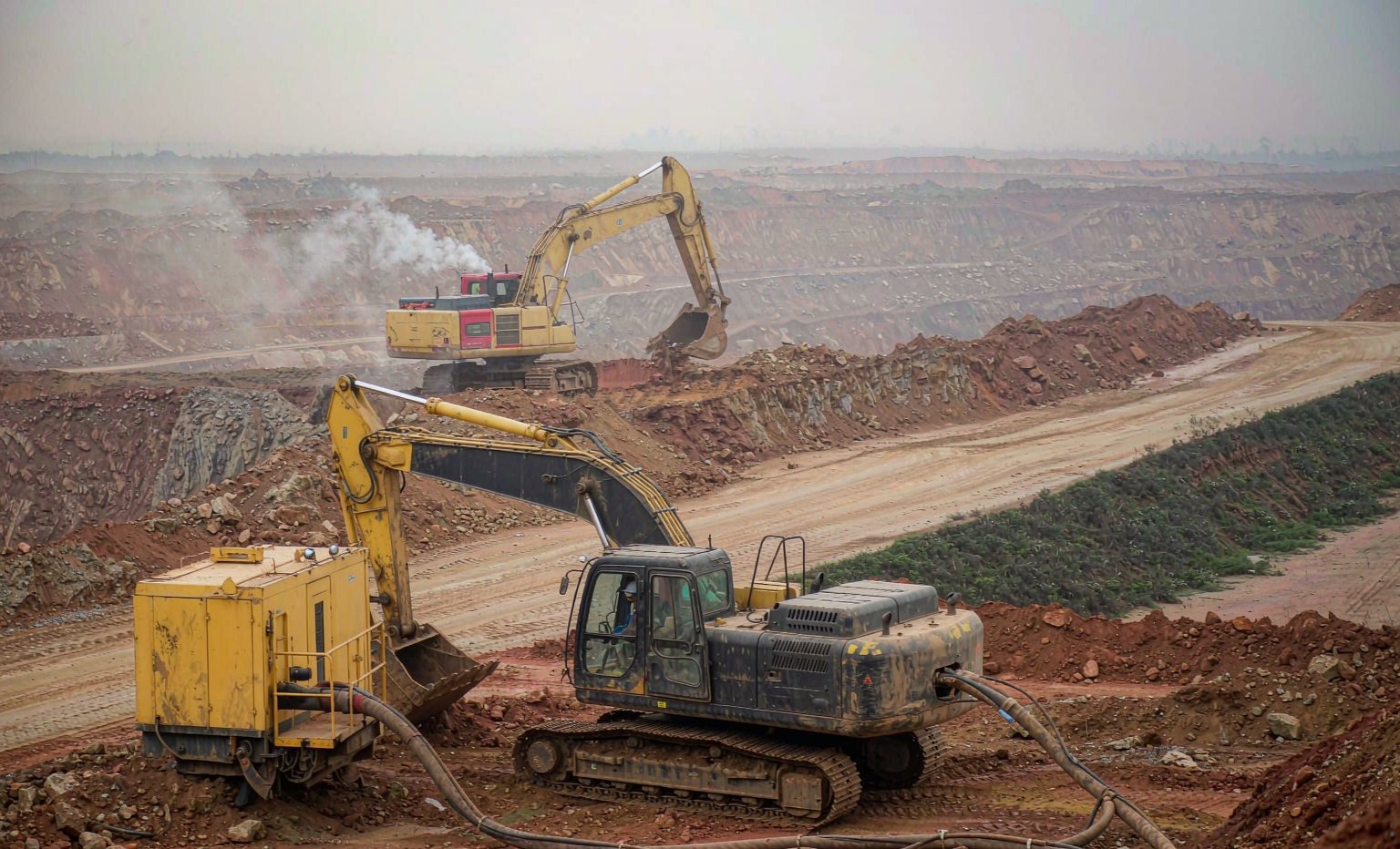
What Hitachi actually announced in 2026
- A zero-emission mining partnership with Rio Tinto. The two parties will test pure electric and hydrogen fuel cell mining equipment, with the aim of reducing carbon emissions in mining operations. This signals a strategic shift in large mining equipment.
- New ZW series wheel loaders in North America, targeting municipal, agricultural and material handling applications, with upgrades in fuel efficiency, cab comfort and intelligent control. Note that the improvements are being sold on fuel efficiency — the diesel engine is the product.
- Expanded local manufacturing of medium excavators in India, in response to growing infrastructure and mining demand.
Taken together these are a research programme, a product refresh and a manufacturing investment. None of them removes an engine from a machine that is already working, and none of them changes what is sitting in fleets across most of the world.
Four places diesel excavator parts demand keeps growing
1. The existing fleet still has to run
A very large population of diesel excavators remains in service and will remain in service for years. Those machines need routine repair, overhaul and wear parts regardless of what is launched this year. Electrification affects what gets bought next; maintenance affects what is already working.
2. Hybrid and range-extender machines still contain engines
Before full electrification, hybrid and range-extender solutions remain a practical middle step for high-duty-cycle work. A range extender is an engine. Related parts demand continues with it.
3. Emerging markets are the growth engine, and they are diesel
In India, Southeast Asia and Africa, diesel excavators remain dominant. Hitachi's own decision to expand medium excavator production in India is a statement about where that demand is. For parts exporters, this is where the volume is, and it is why regional supply lines — not just product quality — decide who wins the business.
4. Used and remanufactured equipment
As equipment inventories grow, demand for remanufactured engines and components rises with them. That is a parts business that grows because machines age, and it is entirely independent of the drivetrain debate.
What this means if you are ordering parts today
- Do not defer maintenance on a diesel machine because of electrification. The machine has to earn for another decade; the drivetrain debate does not shorten its working life.
- Match by engine generation, not just model. Excavator engine families run across several machine generations, and the same model name can carry different internal components. Engine number beats model name as a matching key.
- Think in wear cycles for undercarriage. Track chains, rollers, sprockets and idlers are consumed by tonnes moved, not by fuel type, so their demand is unaffected by the transition.
- Watch the pivot joints. Pins and bushings are replaced on hours, on every drivetrain.
Frequently asked questions
Will electric excavators reduce demand for excavator spare parts?
Eventually it changes the mix — fewer engine parts, more electrical and battery components. It does not reduce overall parts demand, because an electric machine still has a hydraulic system, an undercarriage and pivot joints, and those wear out on the same schedule.
Are electric excavators already common on job sites?
Not in most markets. Current activity is concentrated in pilot and trial deployments, plus specific applications such as mining partnerships, rather than in general fleet replacement.
Which parts are unaffected by the electric transition?
Undercarriage, bucket and attachment wear parts, and pivot pins and bushings. These are consumed by mechanical work, not by how the machine is powered.
Should I stock more engine parts or fewer?
Stock against the machines you actually service. If your fleet is diesel — which, in most of the world, it is — the demand curve for engine parts is being set by your own hour meters, not by product launches.
The short version
Electrification is real, and it is being funded properly. It is also, in 2026, mostly happening at the level of announcements, trials and new-model introductions. The excavators that will need a hydraulic cylinder rebuilt, a set of bucket teeth or a new swing bearing next month are overwhelmingly diesel, and they will be for years.
Look at the full parts catalogue or tell us the engine number and machine model and we will match the components for you.