
Choosing a parts supplier is a risk decision disguised as a price decision. The quote tells you what you will pay. It does not tell you whether the part will fit, whether the delivery will arrive before the season ends, or whether anyone will answer when a bushing measures wrong.
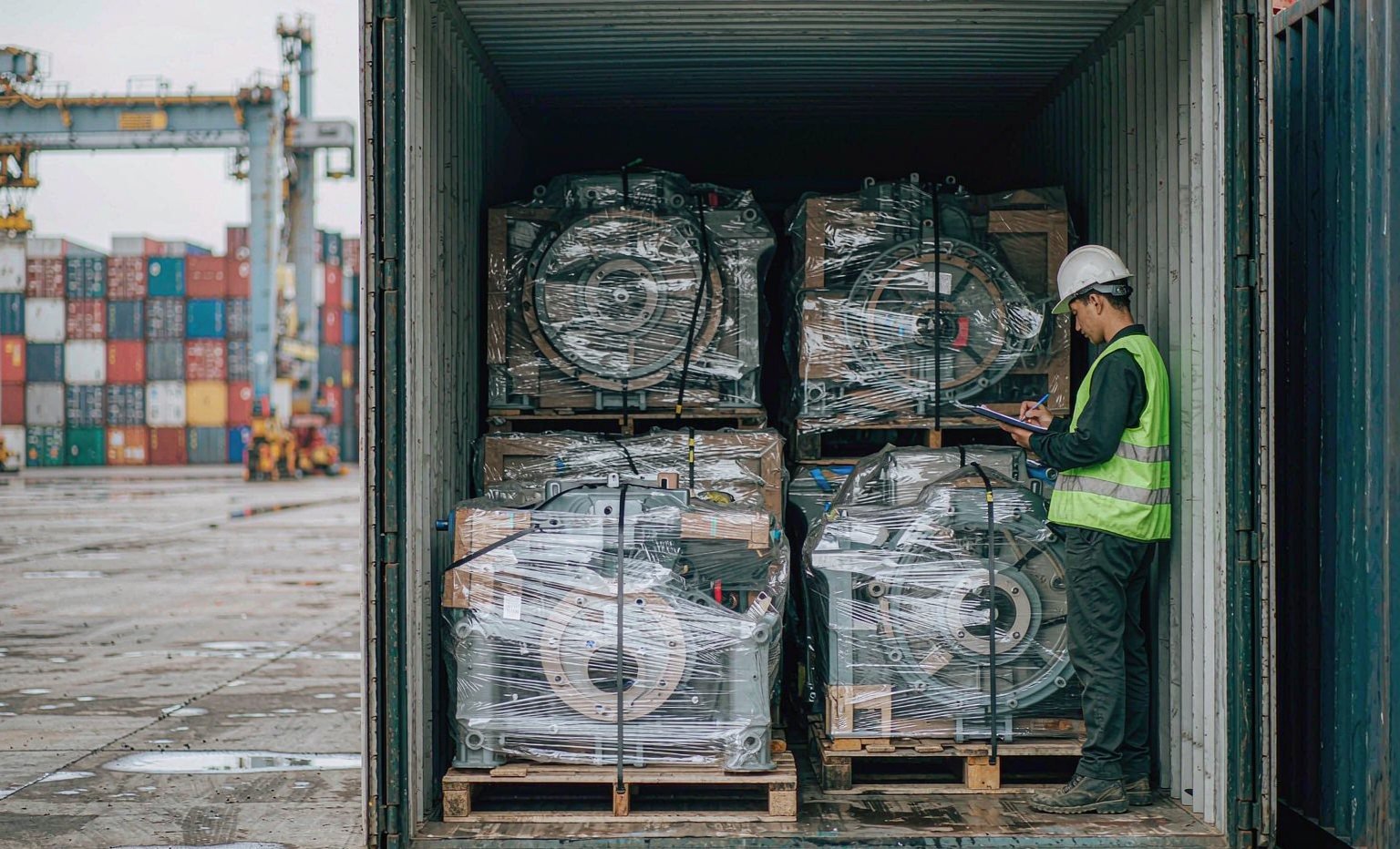
This is the checklist we would want a buyer to run on us, and it is the one we run on our own suppliers.
1. Start with a proper RFQ — the quality of your enquiry sets the outcome
Most wrong-part problems are created before the order is placed, by an enquiry that left out the detail needed to match correctly. These six items remove almost all of it:
- Machine make, model and serial number
- Engine number where you are ordering engine components — model name alone is not a reliable key across engine generations
- The part number from the machine's parts book, if you have it
- Measured dimensions for wear parts — pin diameter, bore size, tooth profile
- A photograph of the failed part, ideally beside a ruler
- Quantity and destination port, so freight and lead time can be quoted, not guessed
2. Check the catalogue shape, not the catalogue size
Anyone can show a long list of part numbers. What distinguishes a manufacturer is whether the catalogue is coherent — whether the categories relate to each other the way a real machine does.
A credible range covers the parts that wear together: pivot pins and bushings for the same joints; bucket teeth with the adapters they fit; track chains alongside rollers, sprockets and idlers. A catalogue of pins with no bushings, or of teeth with no adapter information, tells you something useful.
3. Ask what happens when a part is wrong
This is the question that separates suppliers more cleanly than any price comparison. Ask it in writing, before the first order:
- What is the process if a delivered part is out of tolerance?
- Who pays for the return, and how long does the replacement take?
- Is there a written warranty period, and what does it cover?
A supplier who has thought about this answers immediately. A supplier who has not will not answer at all, and that is the same answer.
4. Take the sample seriously
A sample order is not a formality — it is the cheapest risk reduction available. When the first delivery arrives, do not simply store it:
- Measure it. Callipers against the worn original and against the specification. Dimensional drift is the main aftermarket failure mode and it is visible on arrival.
- Fit one. The best test of a pin is a joint that has to hold tolerance in service.
- Compare like with like. Weigh the part, look at the surface treatment, check the grease passages line up.
5. Plan the freight, do not react to it
Freight lead time is part of the purchase, not an appendix to it. Sea freight to distant markets routinely runs several weeks, and ordering reactively after a breakdown means the machine stands idle for all of that time.
Two habits follow from this. First, buy the predictable items ahead — hydraulic seal kits, pins and bushings, filters and teeth turn over fastest across a mixed fleet precisely because they are consumed on a schedule rather than only on failure. Second, treat lead time as a number you track for your supplier, because it is the number that decides whether your maintenance plan survives contact with the season.
6. Build a second source deliberately
Single-sourcing any part is a bet that nothing will go wrong with one supplier, one shipping lane and one production schedule. Where lead times or availability are a bottleneck, a qualified aftermarket manufacturer is a legitimate second source — provided it has been vetted on the points above, starting with the sample.
Note the order of operations. You qualify a second source while everything is working. You do not qualify one at the roadside.
Frequently asked questions
What should I include in a request for quotation for excavator parts?
Machine make, model and serial; engine number if relevant; part number; measured dimensions for wear parts; a photograph of the failed component; quantity; and destination port.
How do I verify a Chinese excavator parts manufacturer?
Place a measured sample order before committing to volume, ask in writing about the out-of-tolerance process, and check that the catalogue covers parts that wear together rather than a random list of numbers.
How long does shipping from China take for heavy parts?
Sea freight typically runs several weeks depending on lane and port. Order predicted wear items ahead of the wear cycle rather than after a failure.
Is it cheaper to buy excavator parts directly from a manufacturer?
Usually, because you remove the distributor margin. The saving only materialises if the parts fit correctly, so the sample and the RFQ detail matter more than the percentage.
Put it to work
Send the six items in step one and you will get a matched quotation instead of a price list. Browse the excavator parts range, read more about us, or send your parts list and machine details — we will match it against model and part number and come back with dimensions you can measure against.