
Product News
-
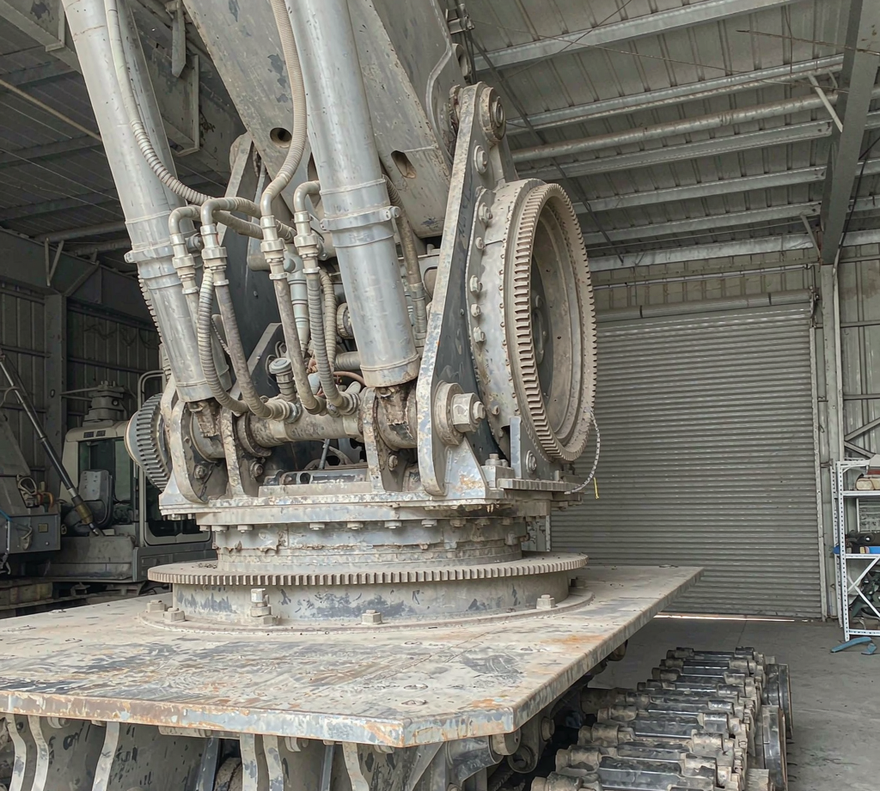
Swing circle, gearbox or motor: which is making the swing noise?
If the noise is a deep rumble that changes with load, and the house visibly rocks when you rock the boom, the problem is the swing circle. If it is a whine...Read more -
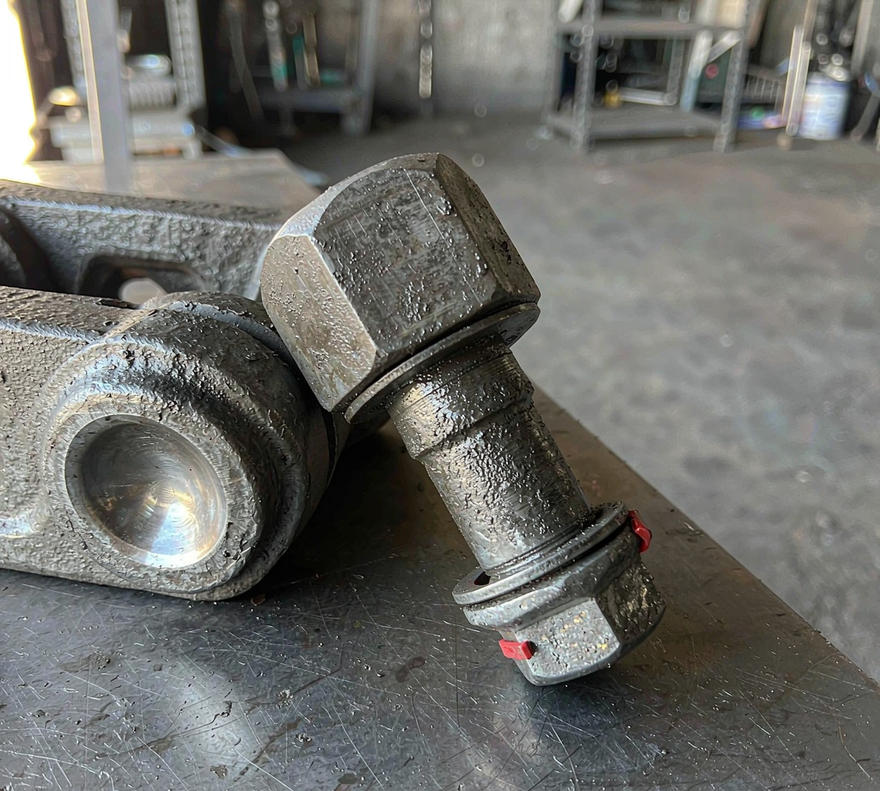
Why excavator track shoe bolts break or keep coming loose
Excavator track shoe bolts almost never fail on the first tightening. They fail because the joint loses clamp load — usually through under-torque, worn shoe...Read more -
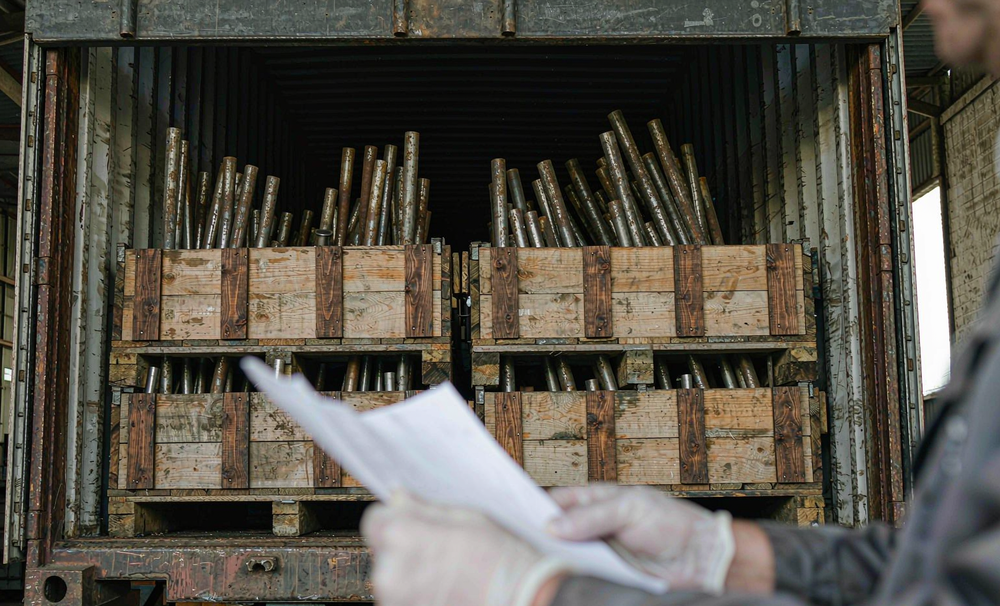
How to Inspect a Container of Excavator Parts on Arrival
Inspect in this order: seal and count first, then transit damage, then dimensional checks on the parts that fail first — pins, bushings and teeth. Do all of...Read more -
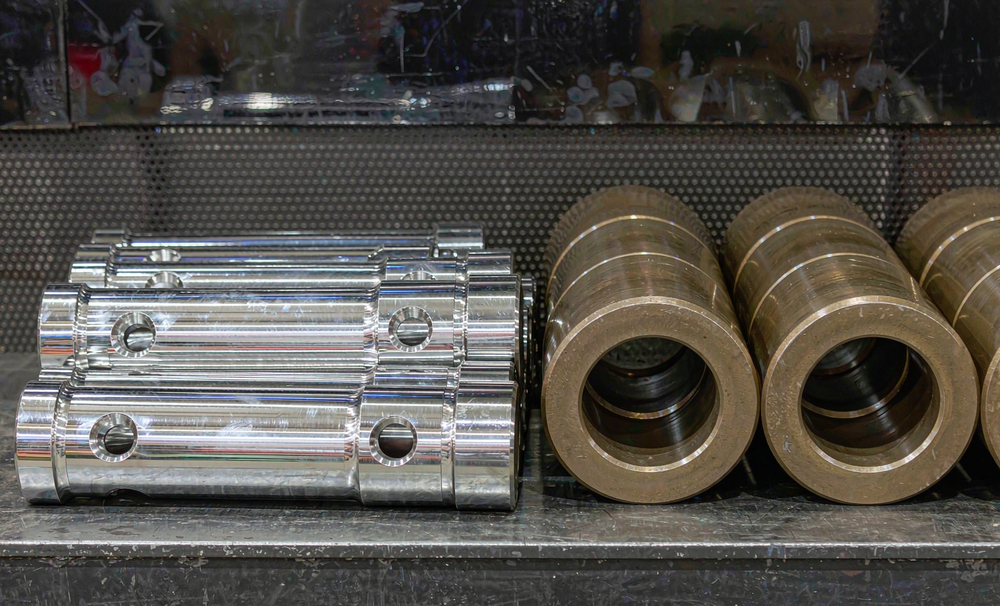
Excavator Parts HS Codes: How to Classify Pins, Bushings and Teeth
Most excavator parts from China are declared under HS heading 8431, but the six-digit code below that depends on what the part actually is, not what it is...Read more -
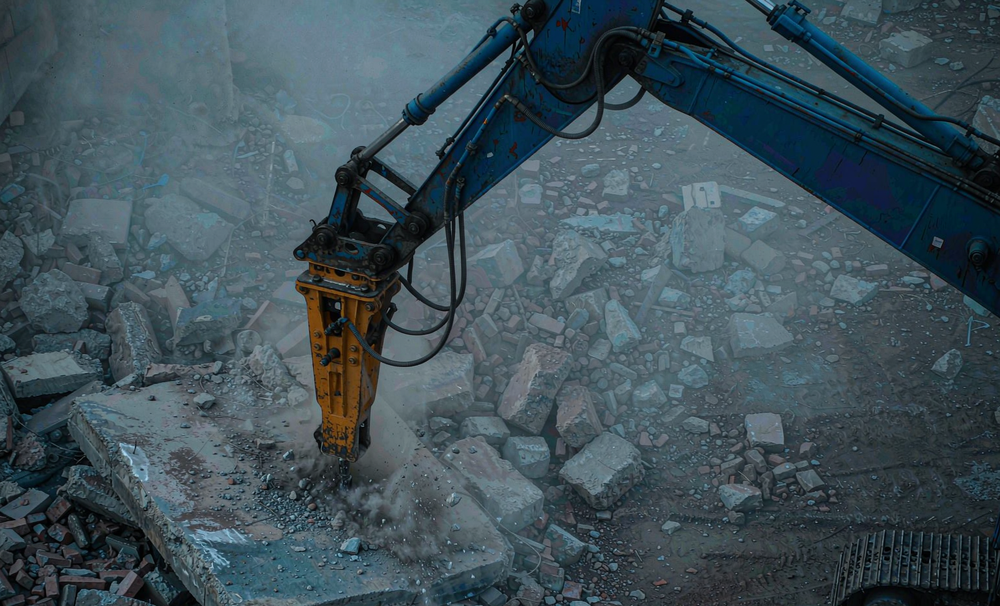
How to Match a Hydraulic Hammer to Your Excavator
Match a hydraulic hammer to your excavator on three numbers: the carrier's operating weight range, the hydraulic oil flow available on the breaker line, and...Read more -
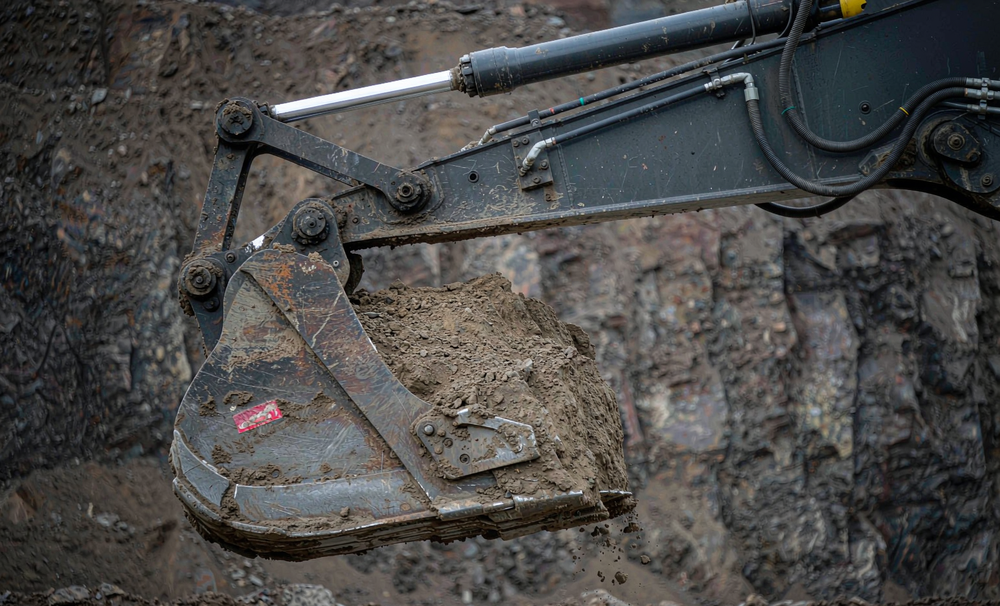
What Do Struck and Heaped Excavator Bucket Capacity Actually Mean?
Struck capacity is the volume a bucket holds when filled exactly level with its top edge. Heaped capacity is that volume plus the material piled above the...Read more -
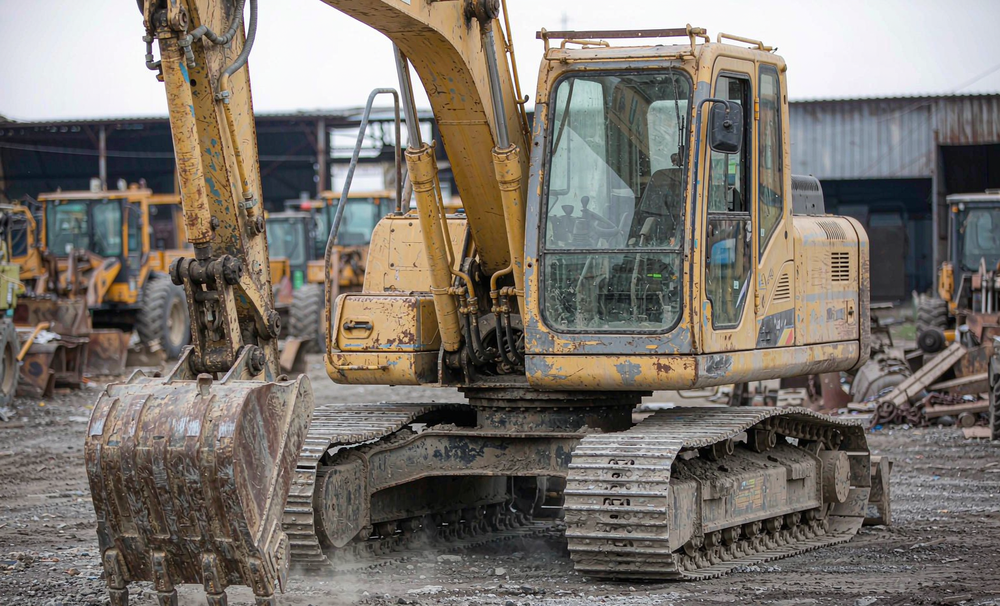
How to Inspect a Used Excavator Before Buying It
Check the undercarriage, the play at every pin and bushing joint, and the hydraulic cylinders before you look at paint or the hour meter — those three decide...Read more -
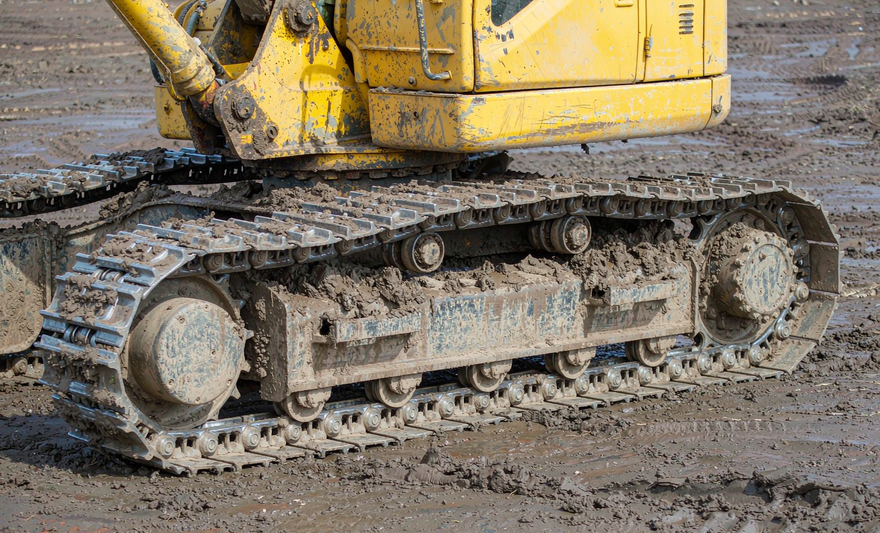
SALT vs Dry Track Chain: Which Should You Buy?
Buy SALT — sealed and lubricated track — for any machine that runs long hours in abrasive or wet ground, because the oil held inside each pin is what stops...Read more -
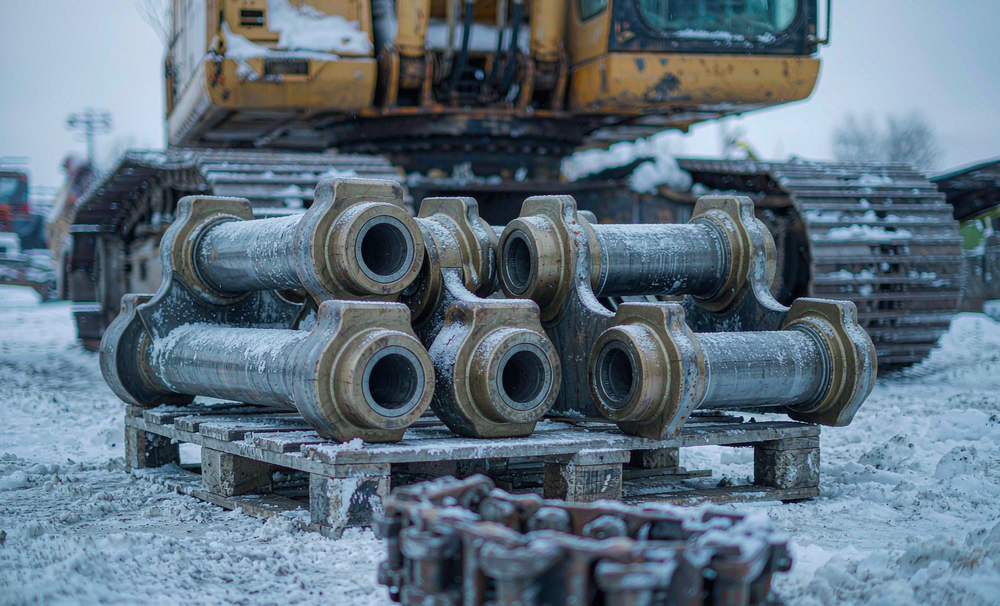
Excavator Parts in Cold Climates: What Changes Below -20 C
Below roughly −20 °C an excavator stops failing by wear and starts failing by fracture: pins crack at the grease hole, bosses crack beside the weld, and...Read more -
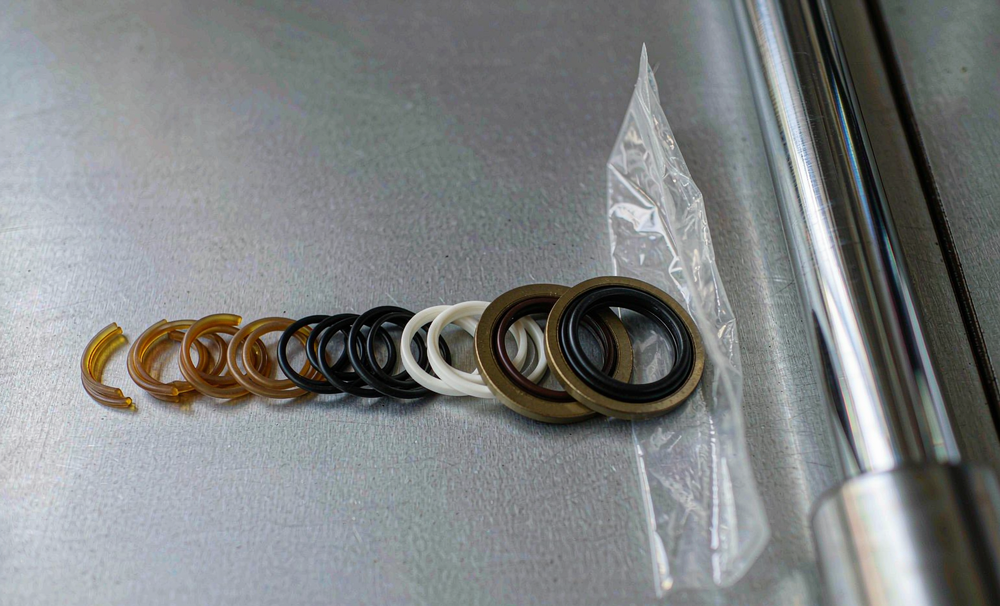
How to Choose Hydraulic Seal Material: NBR vs PU vs PTFE
The material decides the seal's job, not the machine brand: polyurethane (PU) for rod, wiper and piston seals on standard excavator duty, nitrile (NBR) for...Read more -
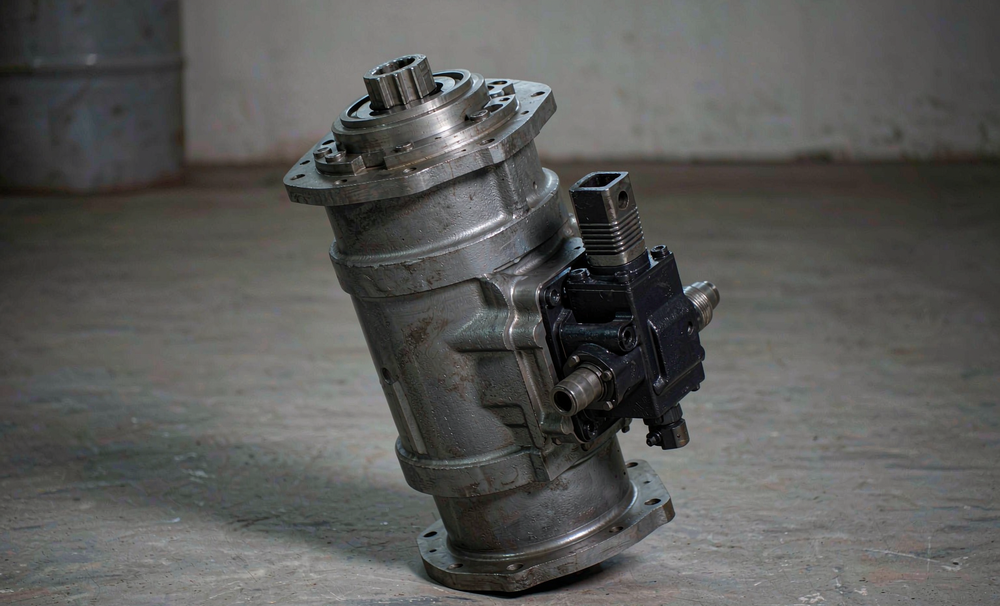
How to Tell If an Excavator Final Drive Is Failing
A final drive that howls louder in second speed, pulls the machine to one side, or leaves thick dark gear oil behind the sprocket hub is already failing....Read more -
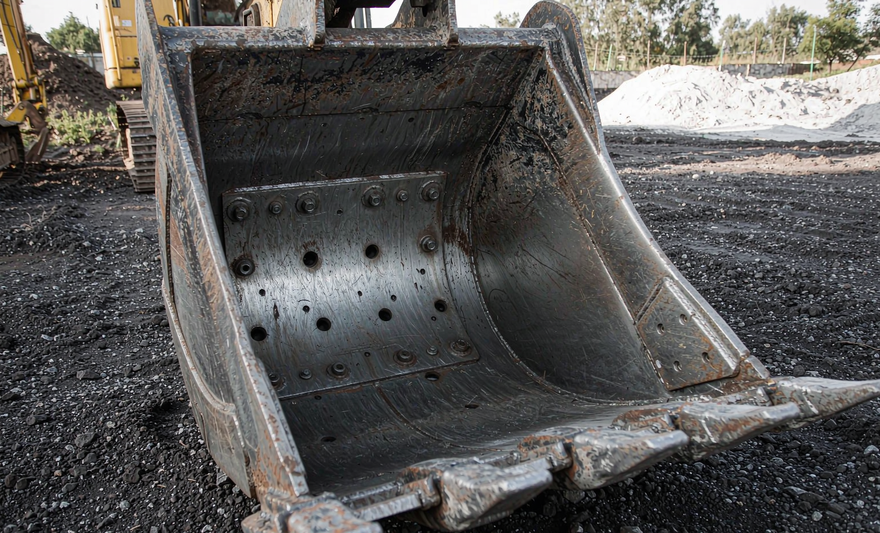
How to Choose a Bucket Wear Plate: Hardness, Thickness and Weight
A bucket wear plate is chosen by matching hardness to the kind of wear the bucket floor actually sees, keeping the plate close in thickness to the steel it...Read more -
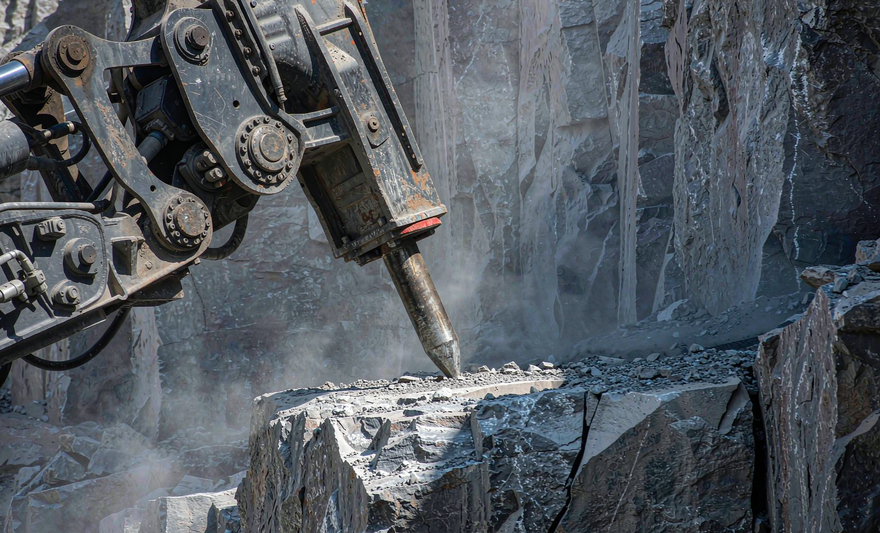
Why Has My Hydraulic Breaker Lost Its Punch? Diagnose It in Order
A hydraulic breaker that still fires but no longer breaks rock has almost always lost nitrogen pressure in its back head. Measure that first: it is the...Read more -
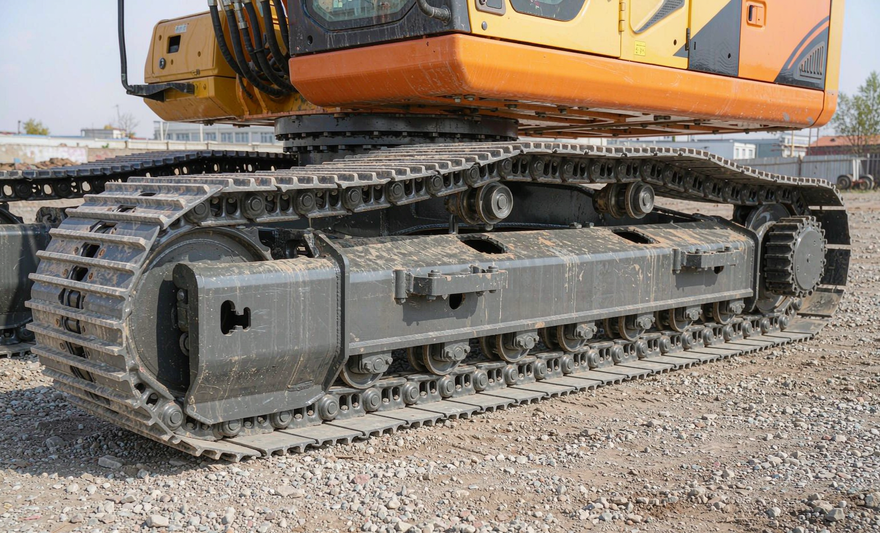
How to Choose Excavator Track Shoe Width and Grouser Type
Choose track shoes by the ground the machine actually works on, then take the narrowest width that stops it sinking. The widest shoe in the parts book is...Read more -
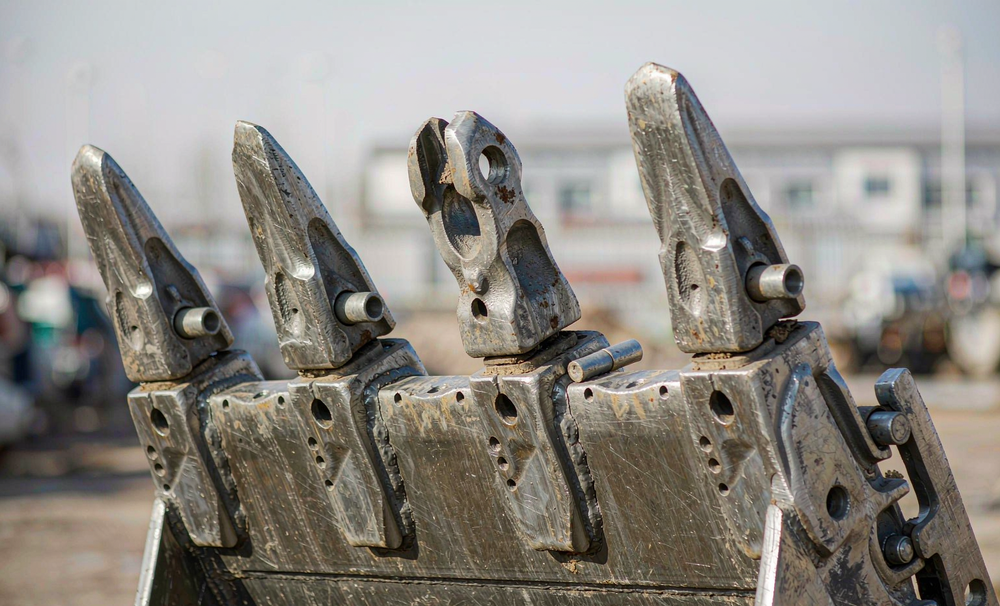
Pin-On vs Weld-On vs Bolt-On Bucket Teeth: Which Should You Specify?
A pin-on tooth slides over an adapter welded to the bucket lip and is locked by a retainer, so it comes off in minutes with a drift and a hammer. A weld-on...Read more -
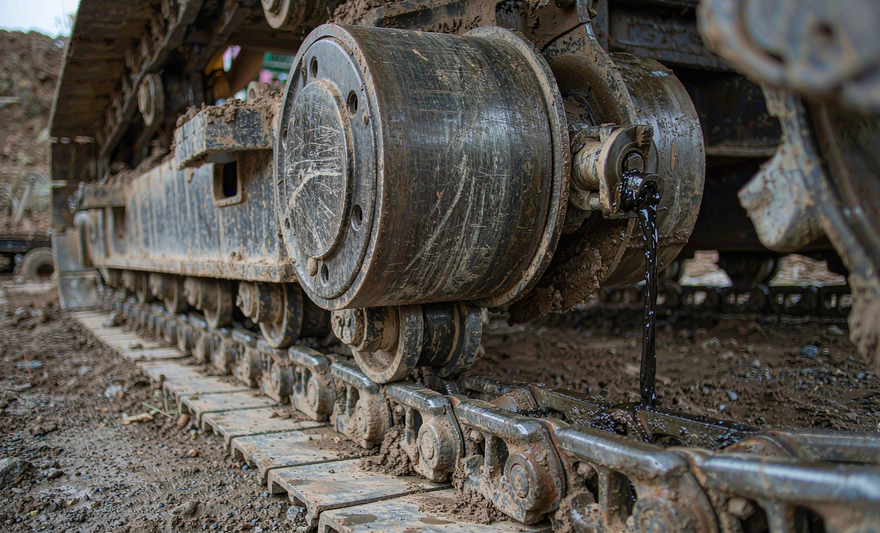
How to Check Excavator Track Rollers for Oil Leaks Before They Seize
A dark wet ring at the joint between a track roller body and its end collar means the face seal has failed and the roller is losing its oil charge. It will...Read more -
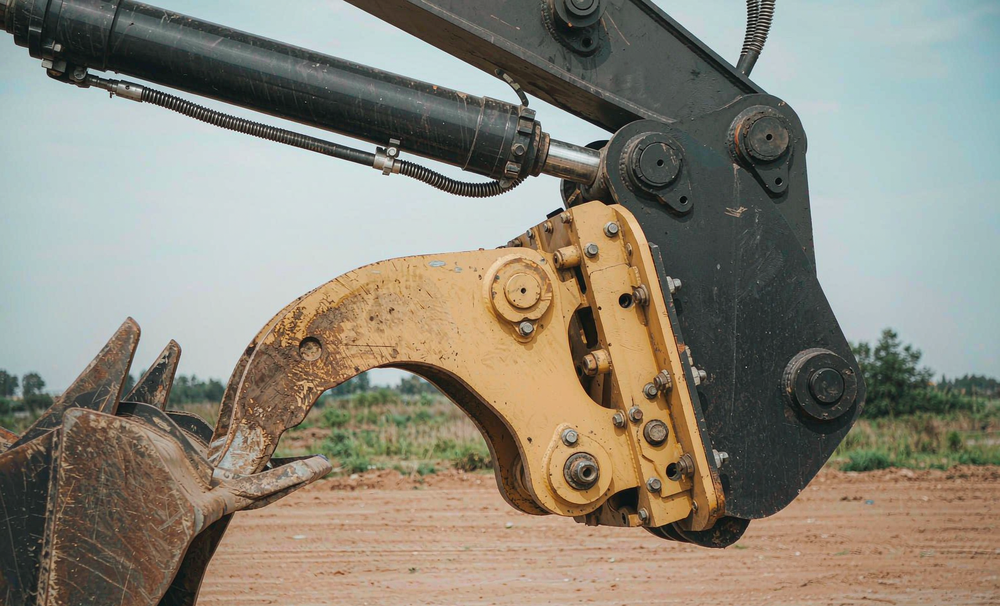
How to Inspect an Excavator Quick Coupler Before Every Bucket Change
Inspect three things before you lift any attachment with a quick coupler: the pin groove on both bucket pins, the full travel of the locking mechanism, and...Read more -
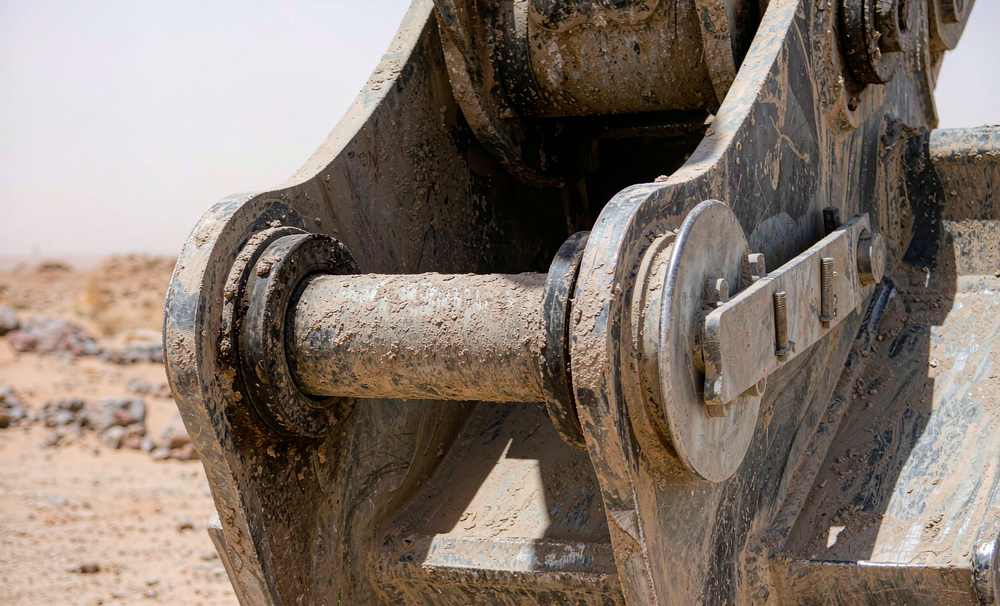
How to Choose Excavator Parts for High-Heat and Desert Sites
For a machine working at 45 °C in blowing sand, the parts that fail first are not the ones carrying the highest load. They are the grease-lubricated joints...Read more -
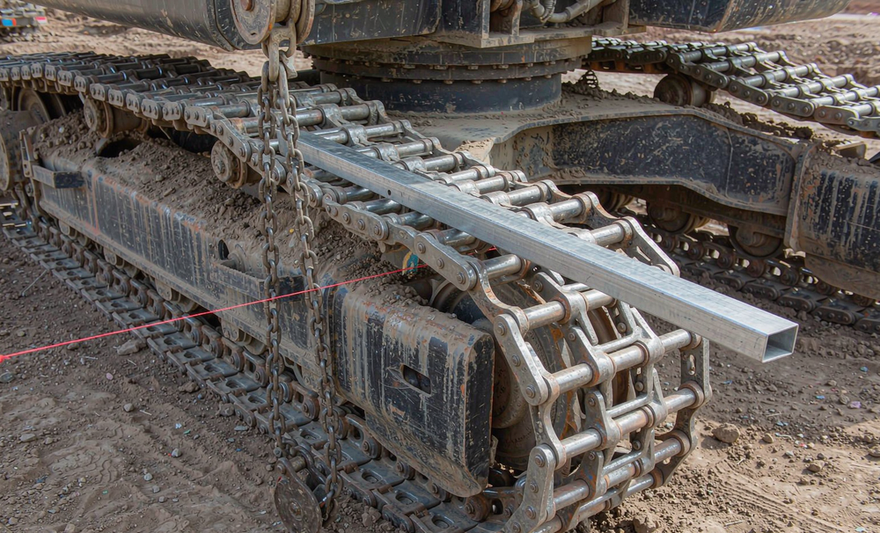
How to Measure and Set Excavator Track Tension (Sag)
Excavator track tension is set by measuring the sag in the top span of the chain, and on most 20-tonne class machines the correct figure is roughly 25–40 mm....Read more -
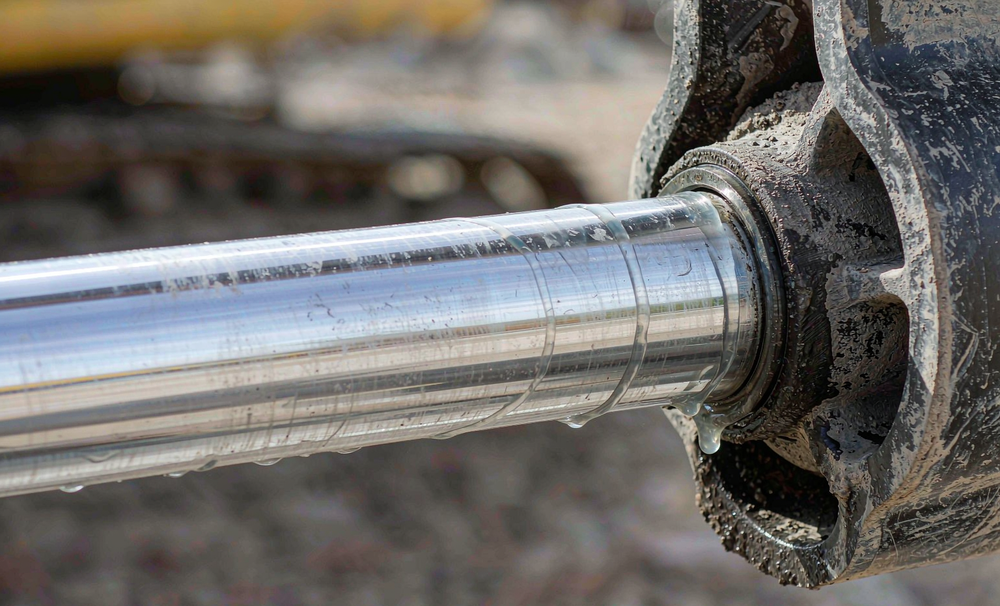
Why Is My Excavator Cylinder Leaking Oil? Diagnosing a Rod Seal
An excavator cylinder that leaks at the rod usually has a worn rod seal, a hardened wiper or a damaged rod surface, and fitting a new seal without finding...Read more -
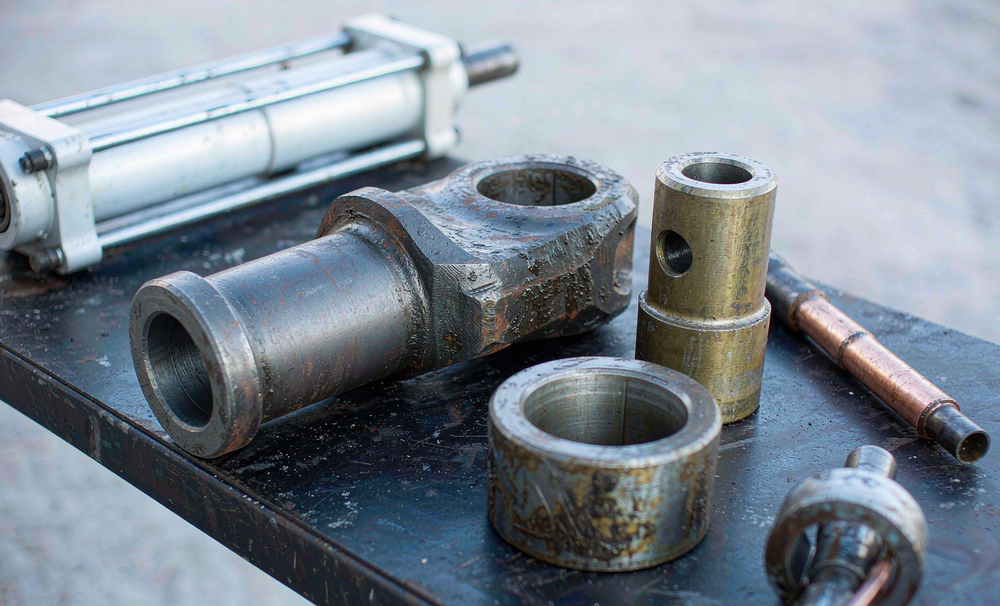
How to Remove a Seized Excavator Bucket Pin Without Damaging the Bore
A seized pin comes out by steady push, not by hitting it. Support the assembly, release every piece of retaining hardware, soak the joint, heat the boss...Read more -
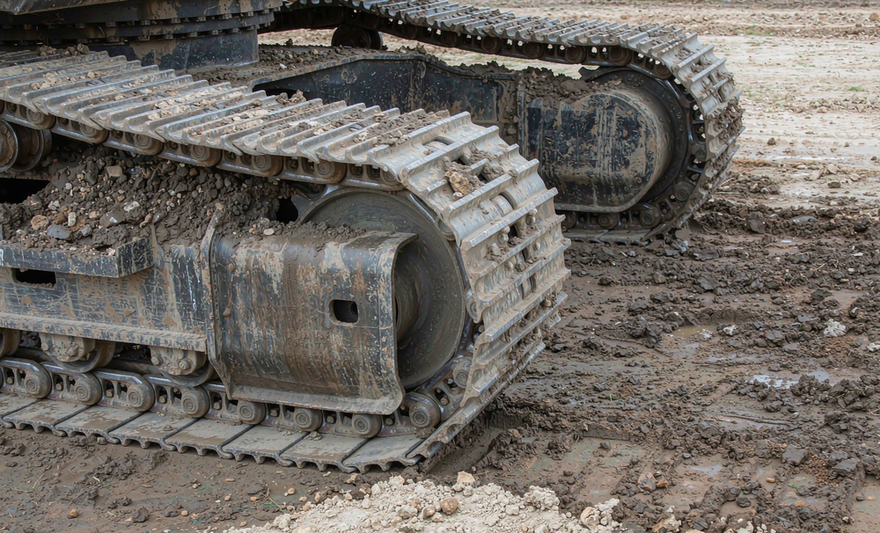
Why Do Excavator Tracks Come Off? 7 Causes and How to Fix Each One
An excavator throws its track when the chain stops running inside the guide path formed by the sprocket, the front idler and the rollers — and in most cases...Read more -
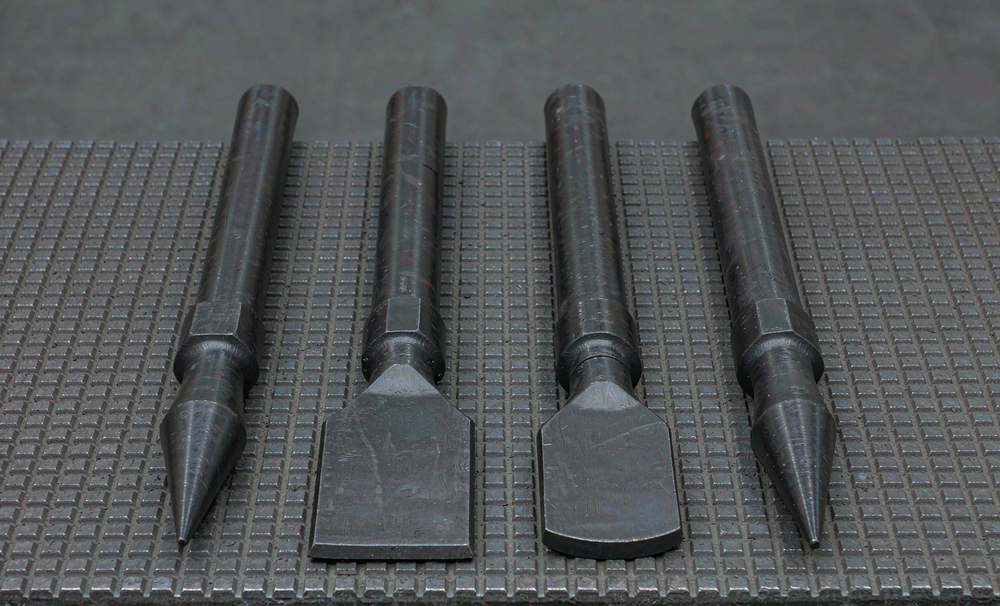
Moil Point vs Chisel vs Blunt: How to Pick a Hydraulic Breaker Tool
Pick the breaker tool by how the energy needs to enter the material: a moil point concentrates impact into a tiny contact area for hard, brittle rock; a flat...Read more -
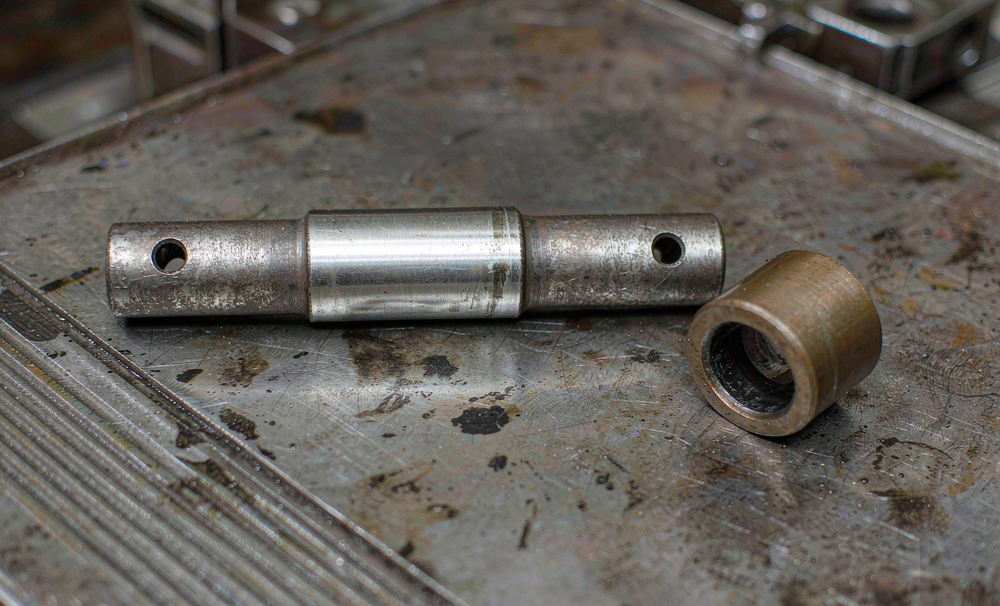
How to Tell If an Excavator Bushing Is Worn Out (Not Just the Pin)
A worn bushing is confirmed by measuring radial clearance between the pin and the bushing bore: a new or rebuilt joint runs roughly 0.2–0.5 mm, and once that...Read more -
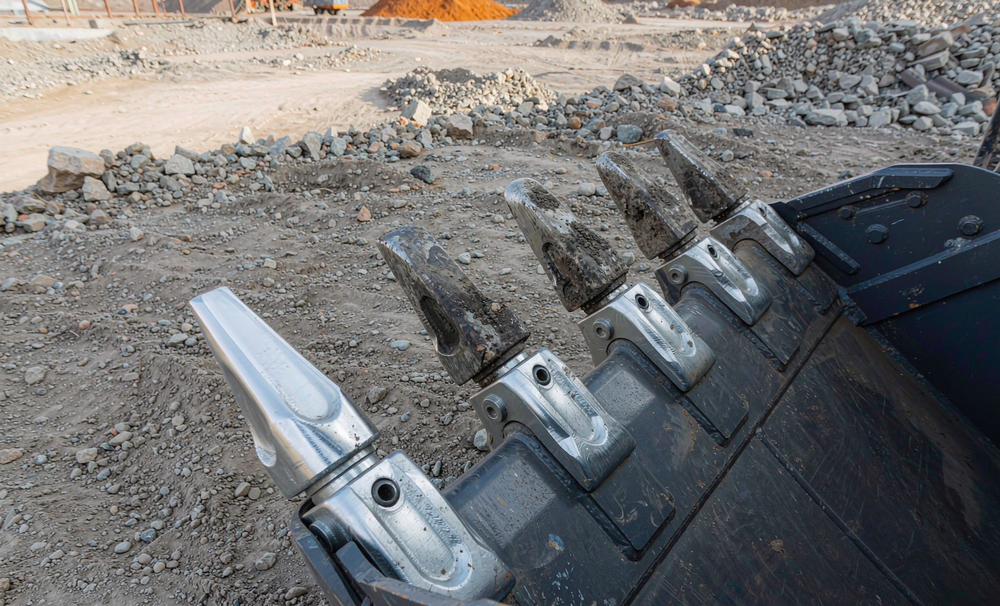
When to Replace Excavator Bucket Teeth: Wear Limits and How to Measure Them
Replace excavator bucket teeth when they have worn to roughly 50–60% of their original length, or immediately if a crack appears anywhere in the tooth body....Read more -
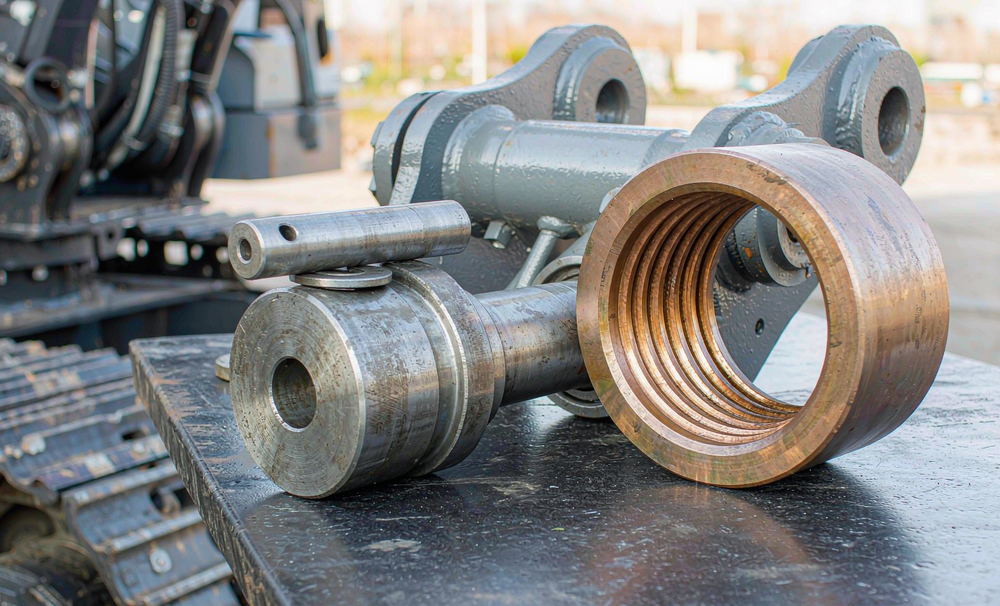
How to Stop Excavator Bucket Pins From Walking Out
A bucket pin walks out because the axial lock, the pin groove or the pin bore has failed — the pin itself is rarely the root cause. Check three things in...Read more -
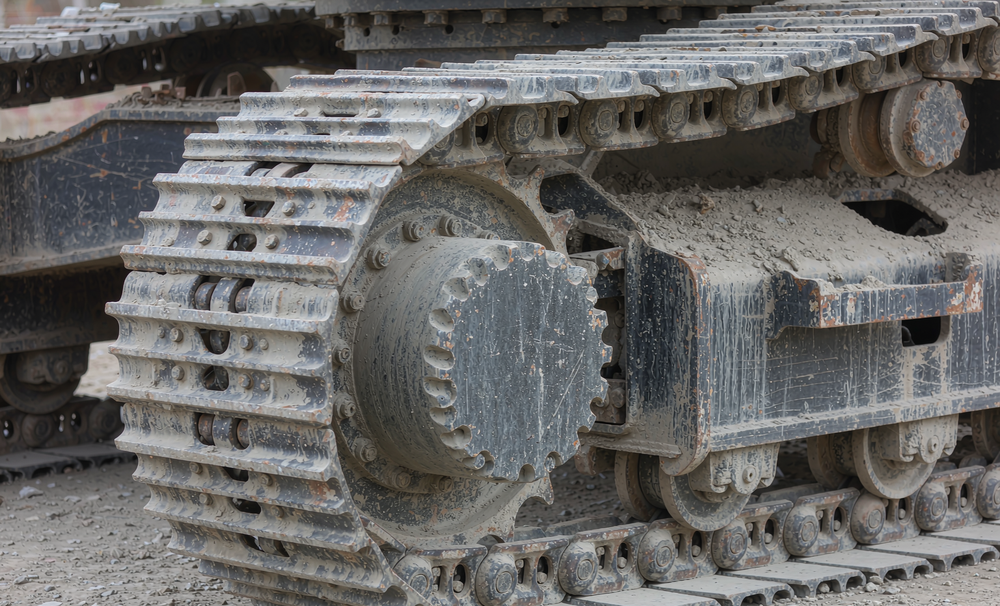
How to Tell If an Excavator Sprocket or Track Chain Is Worn
An excavator sprocket is worn when its teeth have lost height and taken a hook shape; a track chain is worn when its pitch has stretched. To tell which one...Read more -
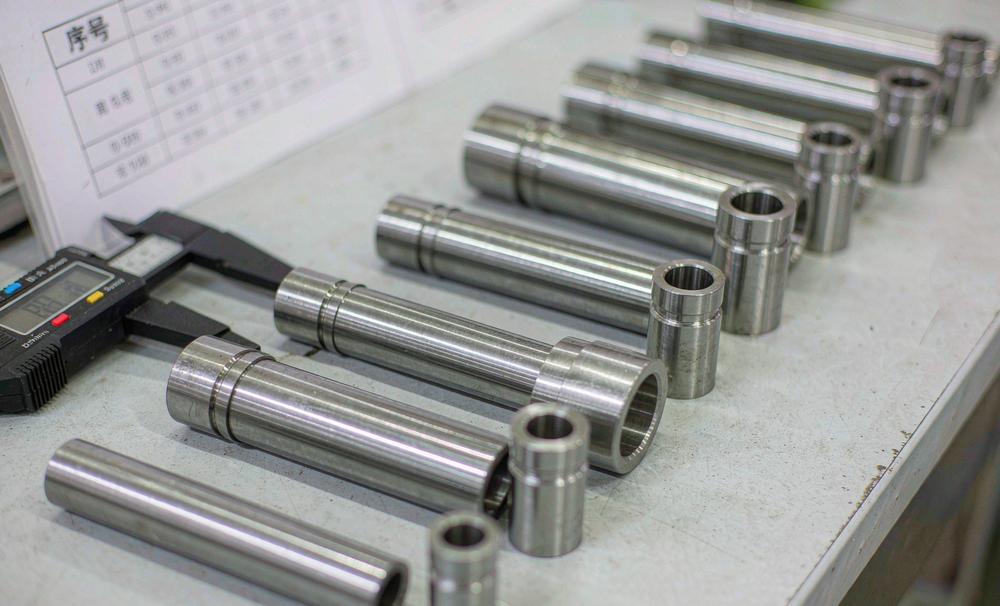
How to Cross-Reference Excavator Part Numbers Before You Order
To cross-reference an excavator part number, confirm three things before you place the order: the OEM number that is physically on the old part, the machine...Read more -
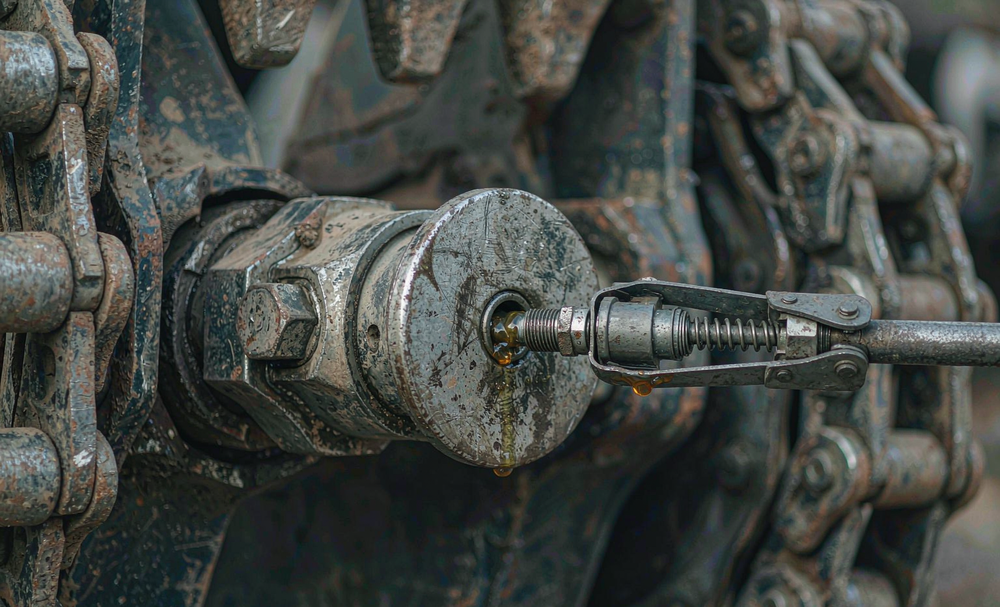
How Often Should You Grease Excavator Pins and Bushings?
Grease excavator pins and bushings every 8 to 10 working hours under normal conditions, and shorten that interval in mud, water, rock, demolition or hammer...Read more -
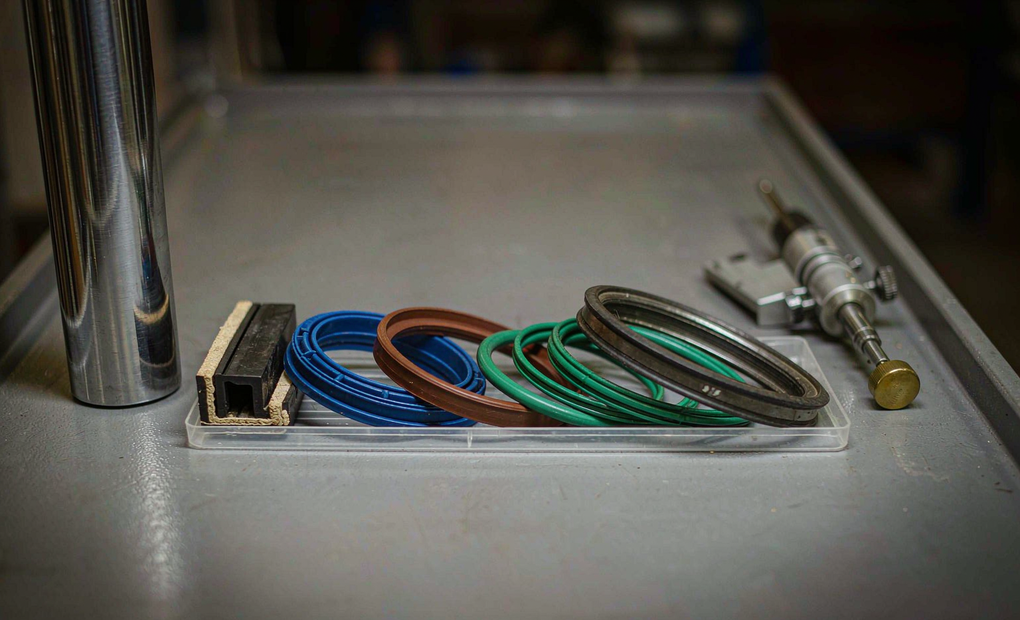
How to Identify the Right Excavator Hydraulic Cylinder Seal Kit
Identify an excavator cylinder seal kit by the hydraulic component it fits and by the cylinder's own numbers, not by the machine model. The model is only a...Read more -
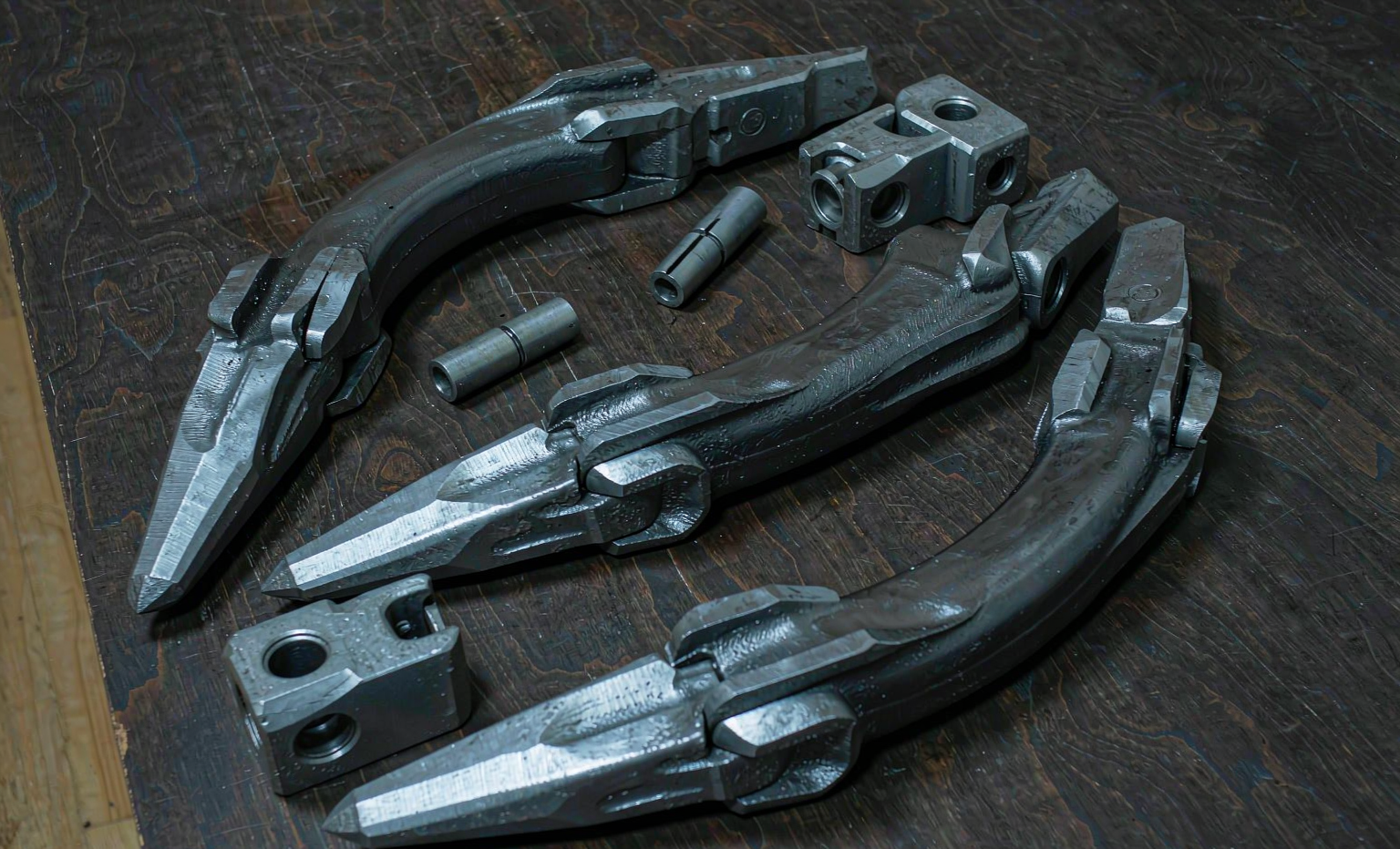
How to Match Excavator Bucket Teeth and Adapters Correctly
A bucket tooth that comes off in the trench is not just a lost part. It stops production while someone finds it, it can damage a crusher downstream, and if...Read more -
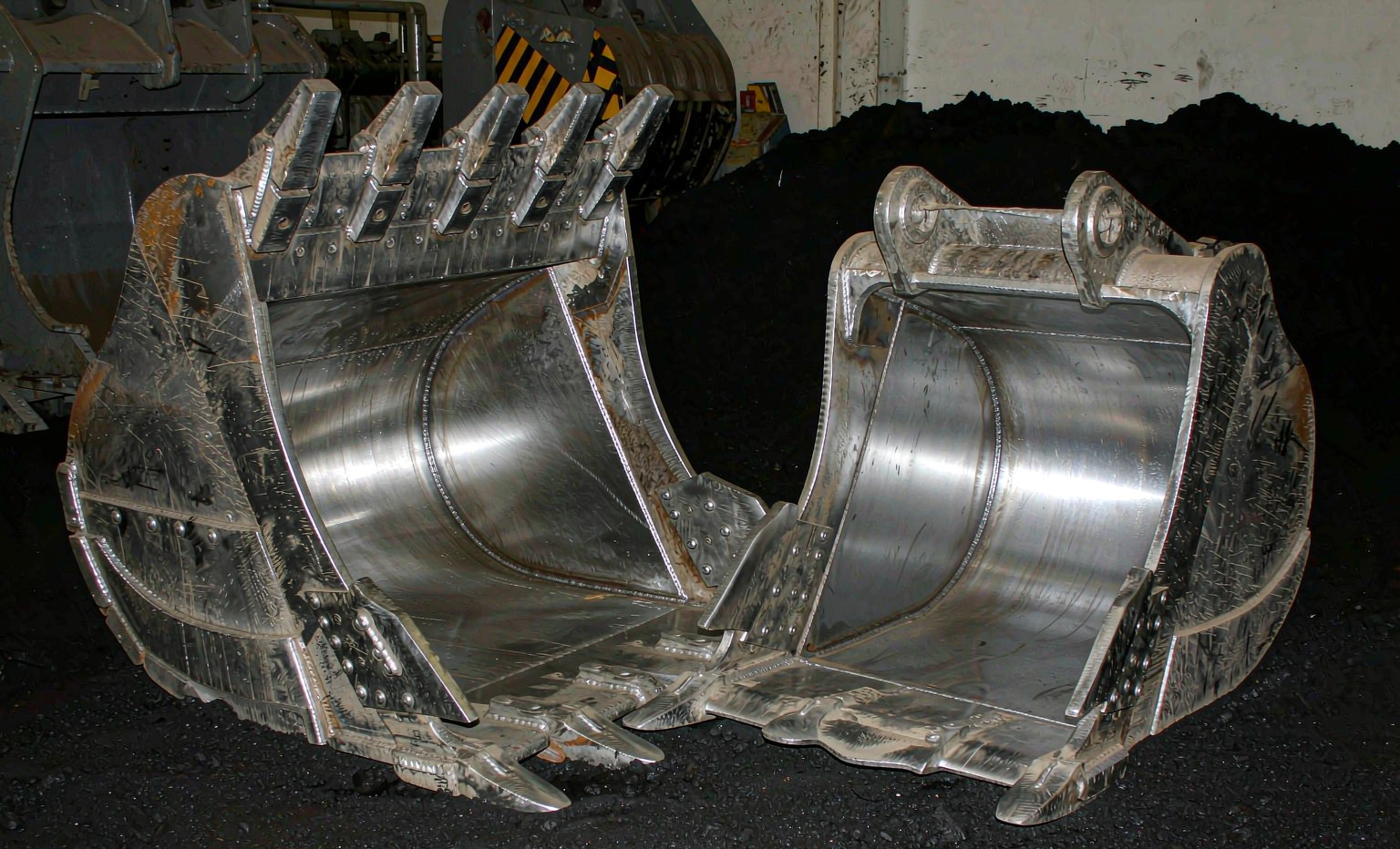
Rock Bucket vs Standard Digging Bucket: How to Choose
Choosing between a rock bucket and a standard digging bucket comes down to what the machine will actually be doing most of the time. Buy a standard bucket...Read more -
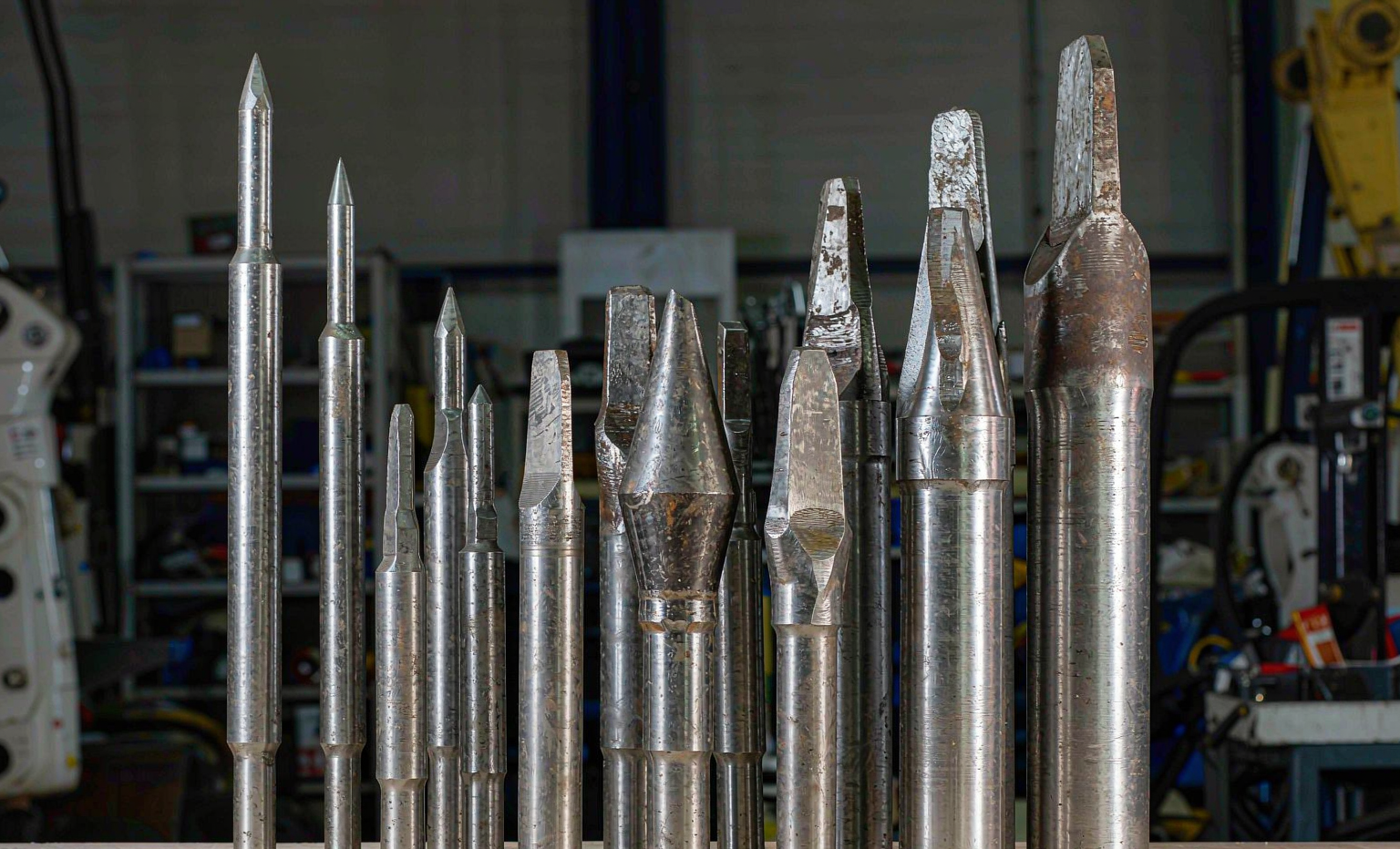
How to Tell If a Hydraulic Breaker Chisel Is Worn Out
A blunt or mushroomed breaker chisel is the single most common reason a hydraulic breaker stops earning its keep. The tool stops transferring energy into the...Read more -
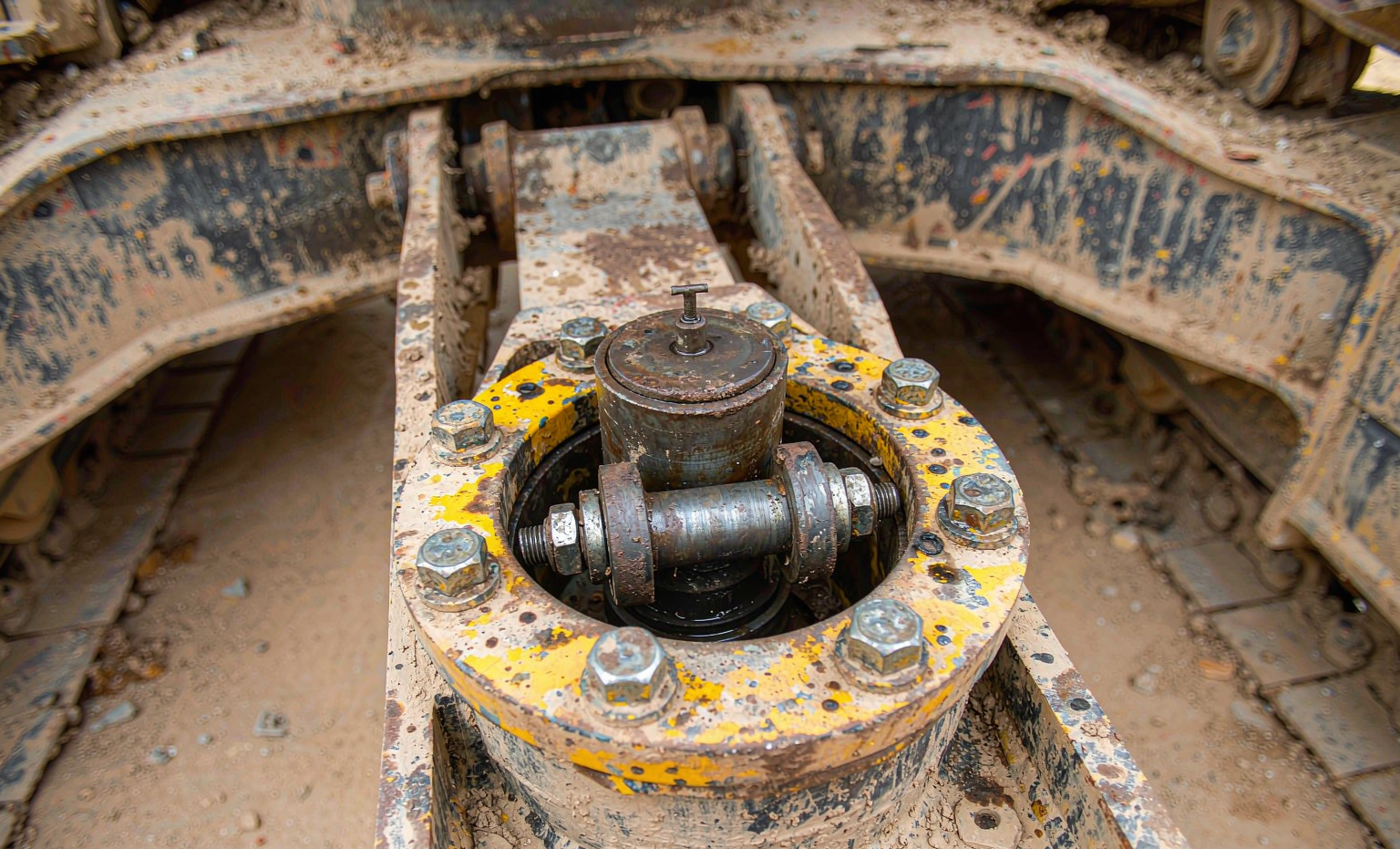
How to Match Excavator Parts to Your Machine Before You Order
The cheapest way to avoid a wrong part is to identify the machine before you identify the part. Read the machine's identification plate for brand, exact...Read more -
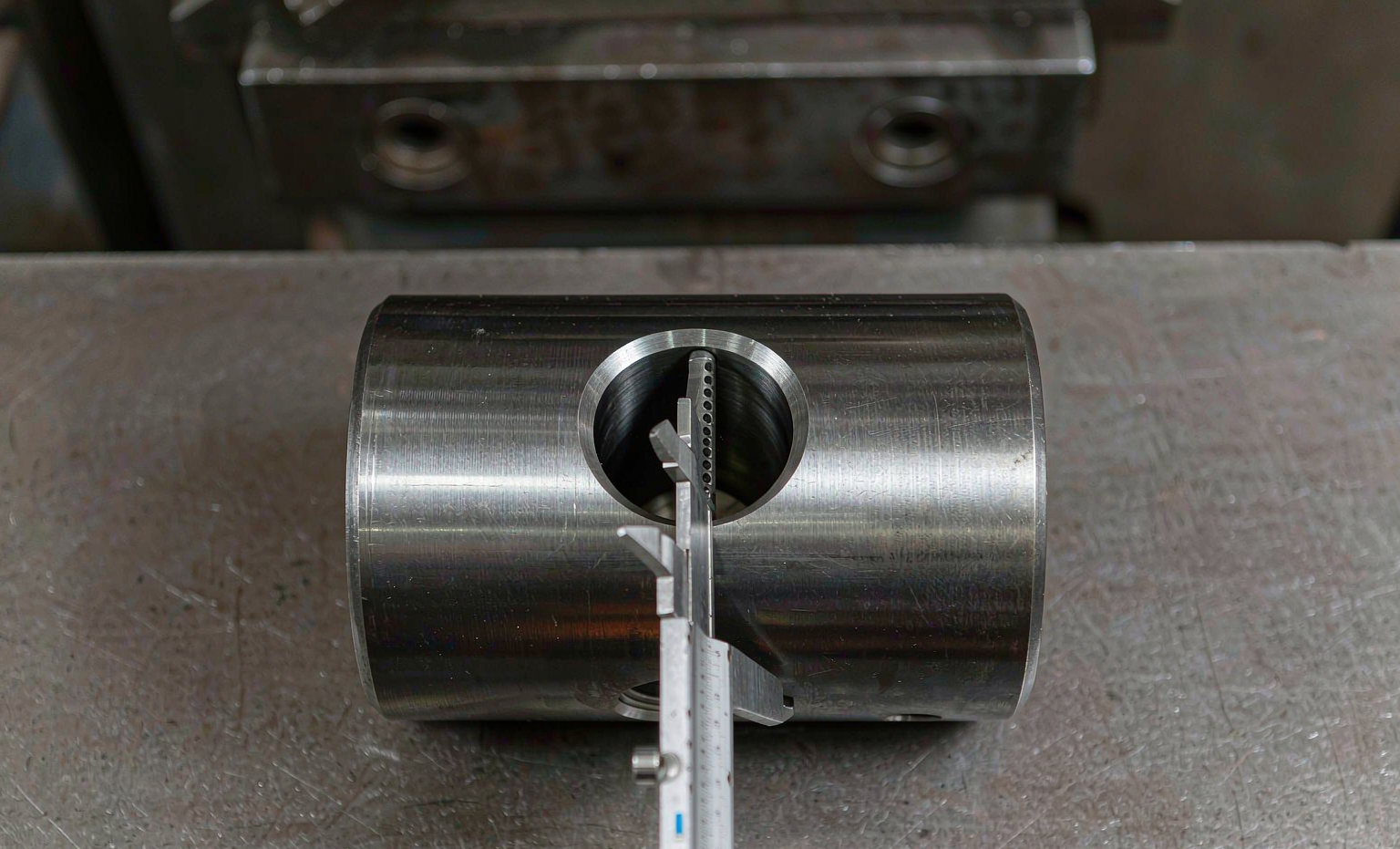
How to Measure an Excavator Bucket Pin: Diameter, Length and Groove Position
A bucket pin is identified by more than its diameter. To replace one correctly you need the outside diameter, the overall length, the working length between...Read more -
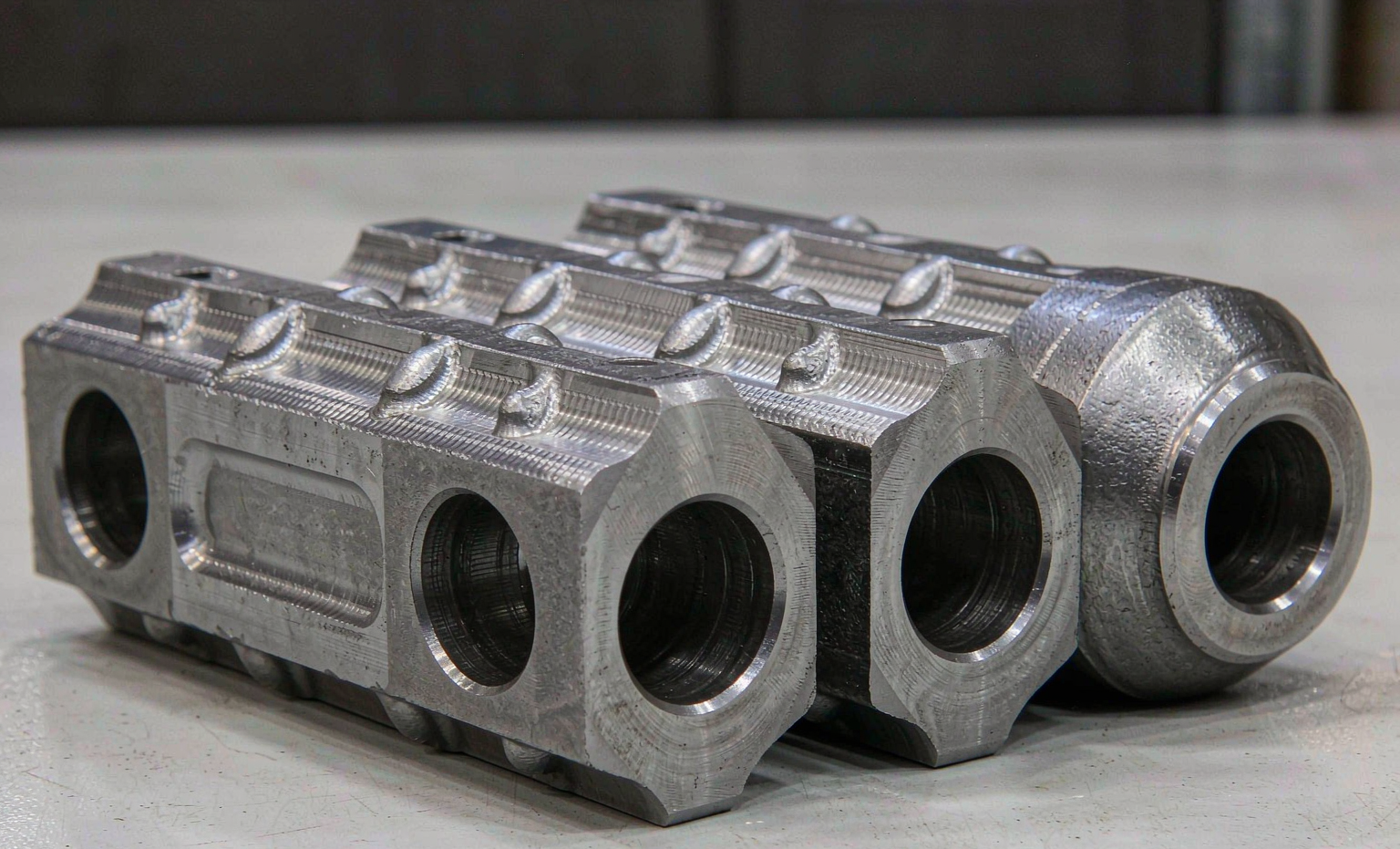
How to Spot a Counterfeit or Low-Grade Excavator Part Before It Fails
A counterfeit or low-grade excavator part almost always fails for one of three measurable reasons: the dimension is out of tolerance, the material is not the...Read more -
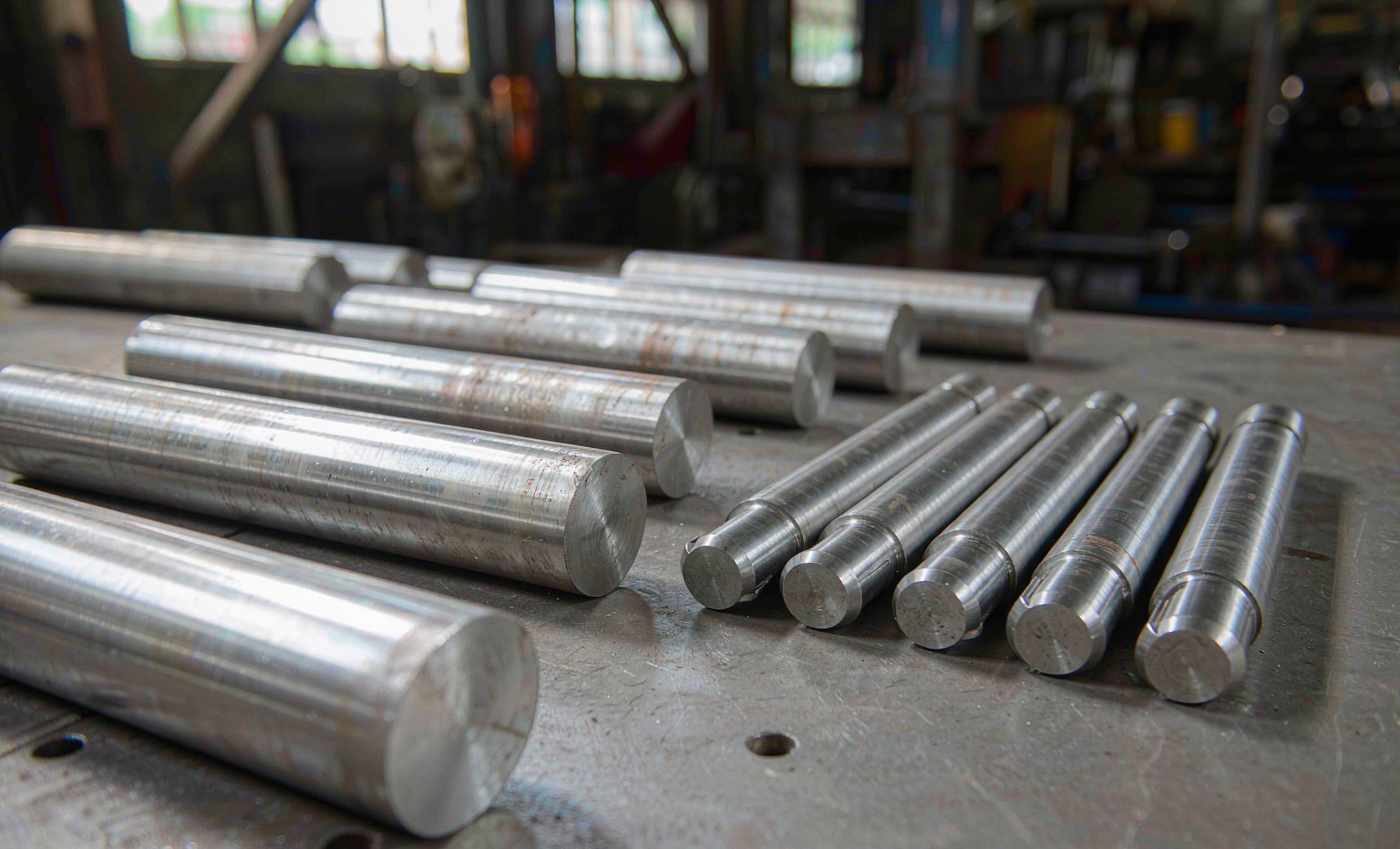
What Steel Are Excavator Bucket Pins and Bushings Made Of? 40Cr, 42CrMo and Hardening Explained
Most excavator bucket pins are made from a medium-carbon alloy steel — 40Cr or 42CrMo in the Chinese designation, equivalent to AISI 5140 and AISI 4140 /...Read more -
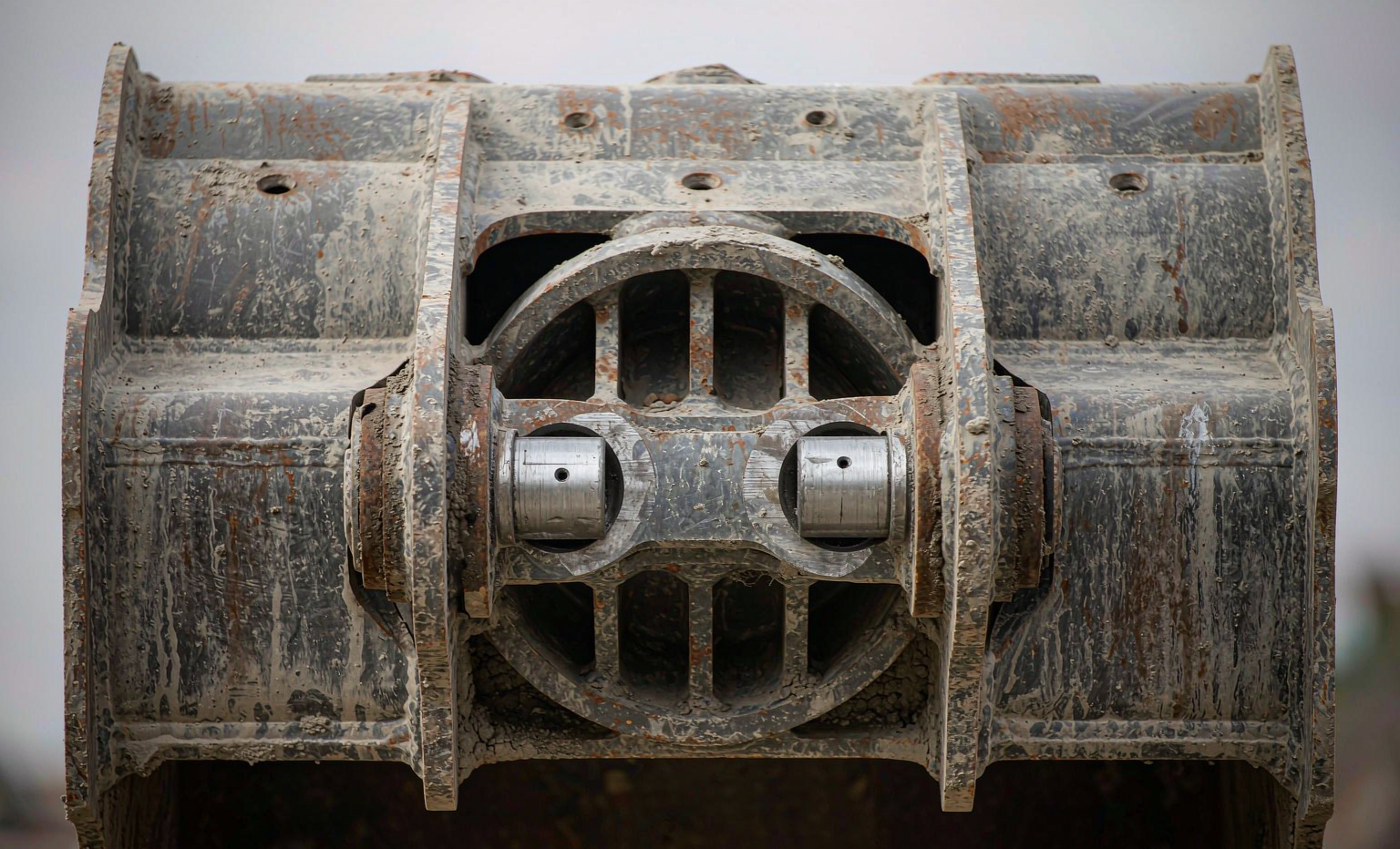
How to Match an Excavator Quick Coupler to a Bucket: S-Type, CW and Pin-On
A quick coupler fits a bucket when three measurements match: the pin diameter, the distance between the pin centres, and the clear width between the bucket...Read more -
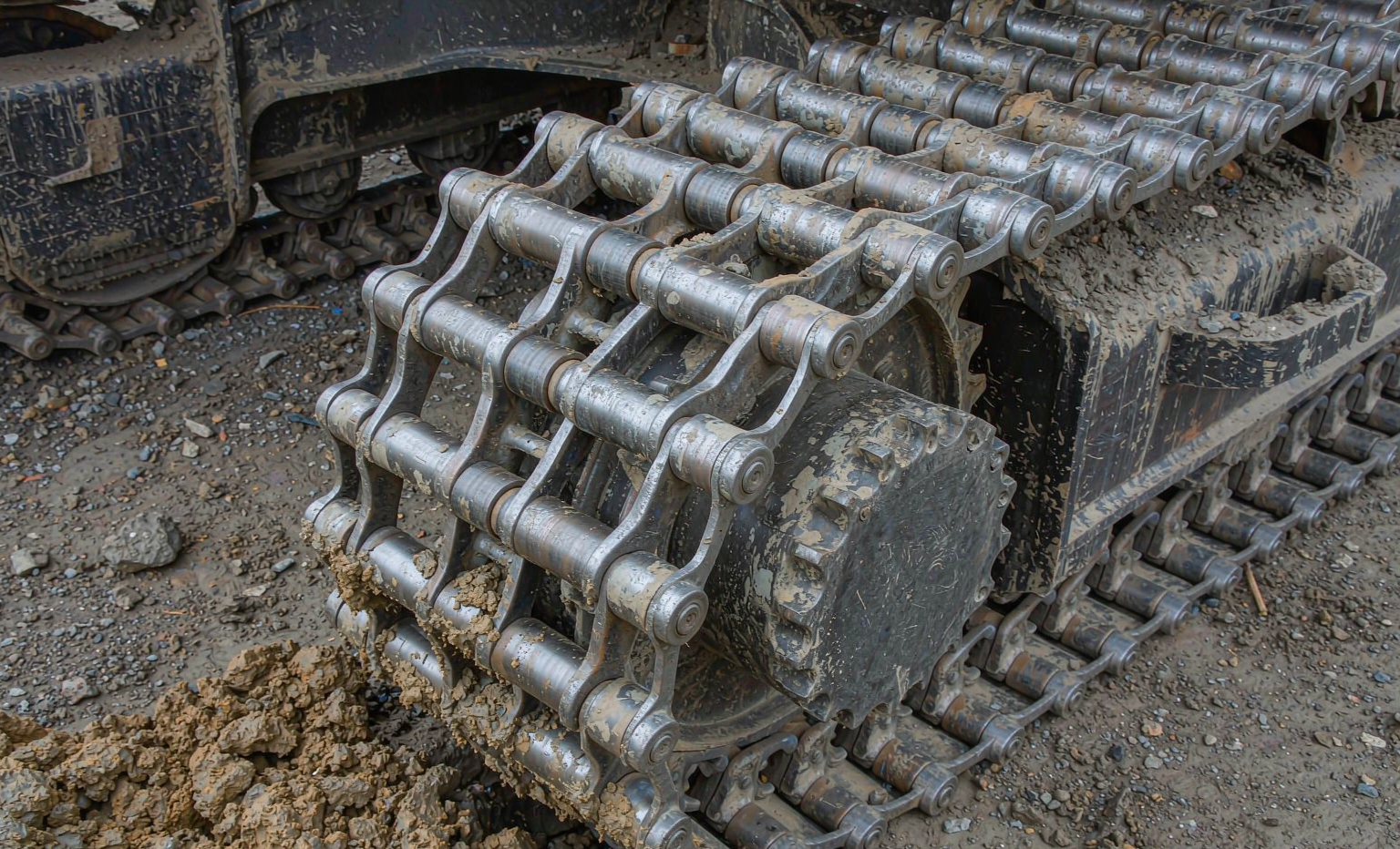
How to Measure Excavator Undercarriage Wear: Track Sag, Sprocket and Bushing Limits
Four measurements decide when an excavator undercarriage needs work: track sag, chain pitch elongation, sprocket tooth profile and roller or idler wear. Take...Read more -
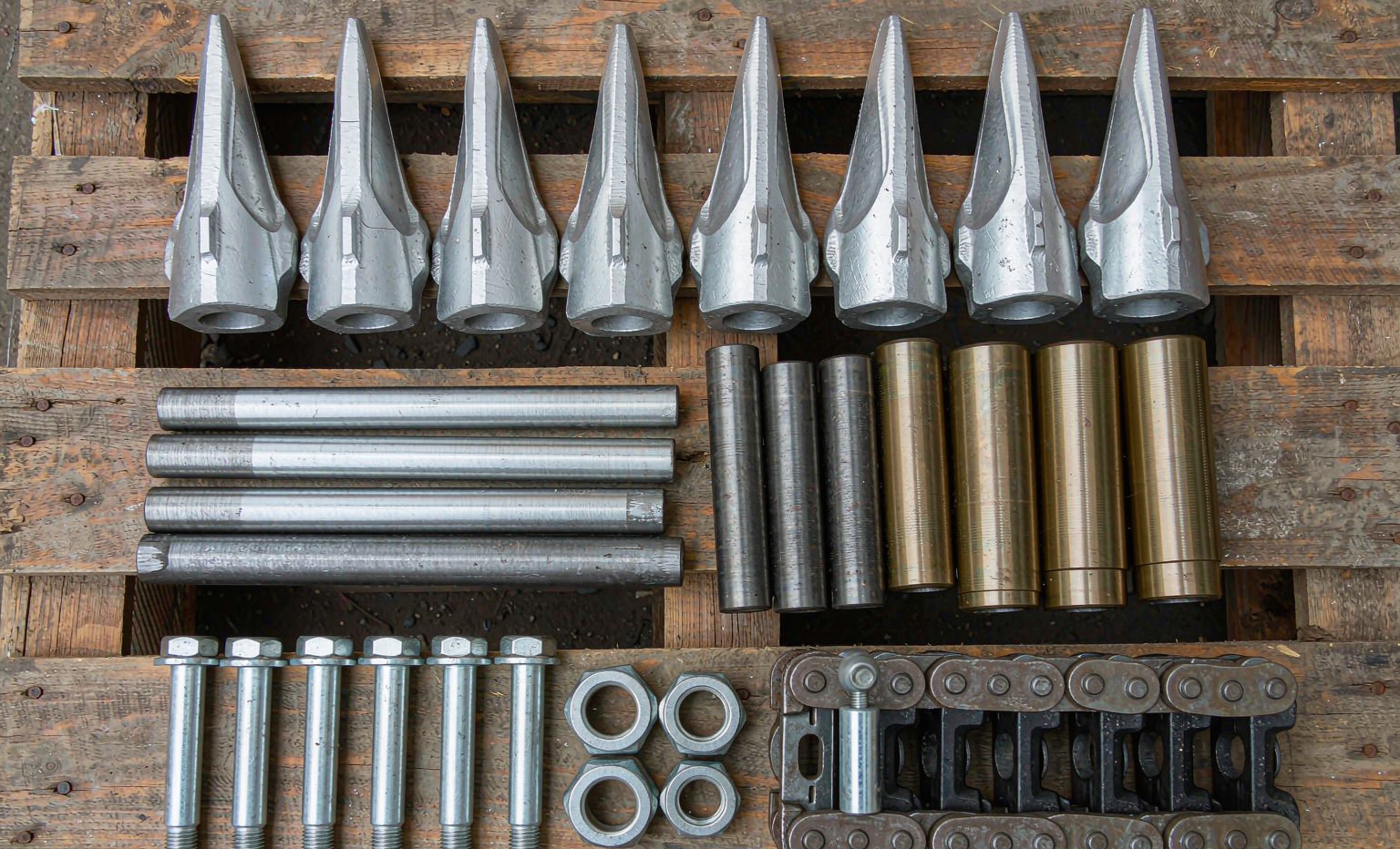
Top 10 Excavator Wear Parts to Stock in 2026: A Dealer and Rental Fleet Guide
The ten hydraulic excavator parts worth holding on the shelf are the ones that stop a machine earning: bucket teeth, pins and bushings, H-links, track shoes...Read more -
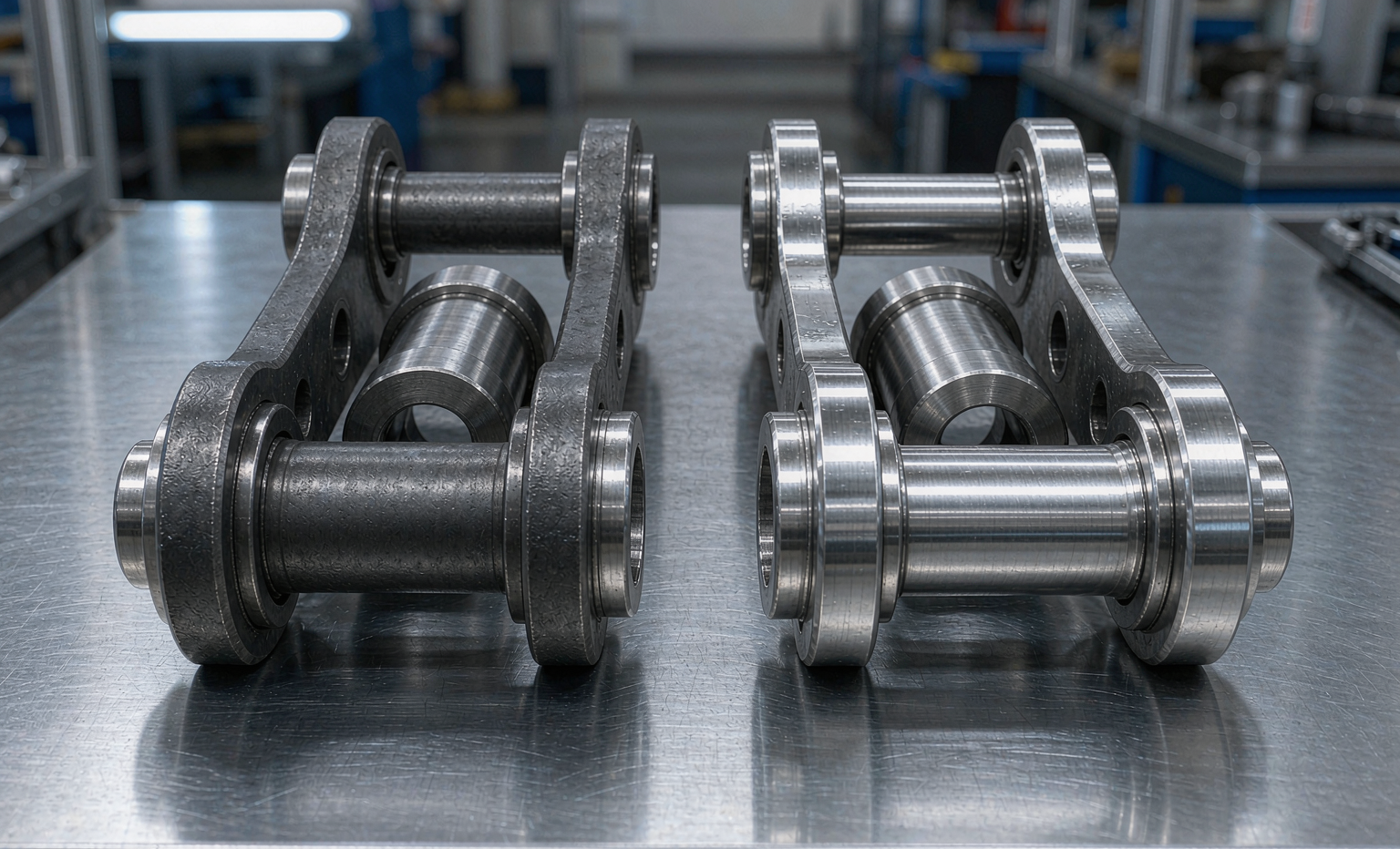
Aftermarket vs OEM Excavator Parts: How to Decide, Part by Part
Buy OEM where a failure is dangerous or where the engineering is genuinely hard to copy — main hydraulic pumps, travel motors, final drives, ECU-linked...Read more -
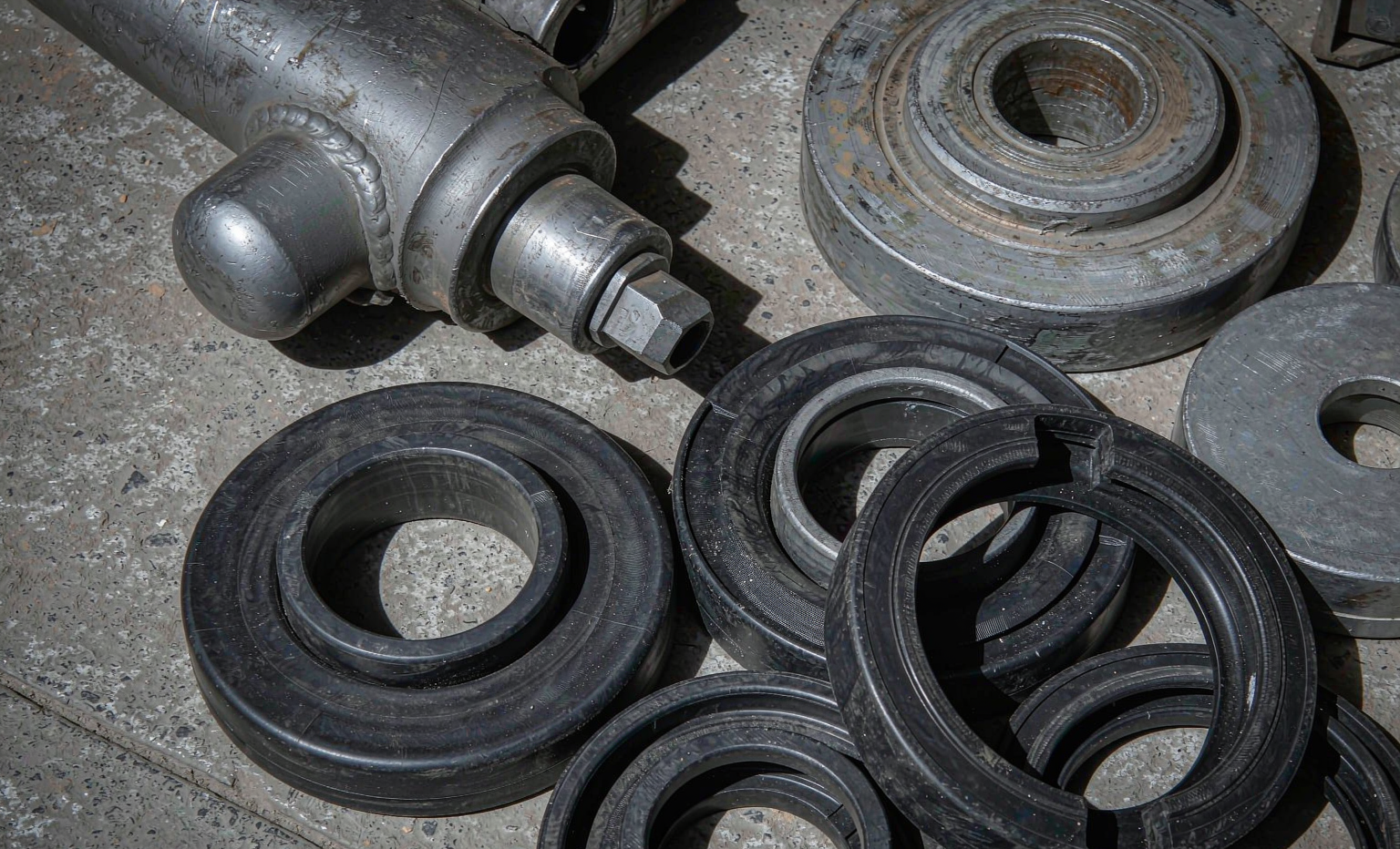
How to Choose Hydraulic Breaker Parts: Chisel, Bushing and Seal Kit Sizing for 3-10 Tonne Carriers
Hydraulic breaker wear parts are ordered by breaker model , but they will not work unless the breaker suits the carrier: as a general rule the hammer should...Read more -
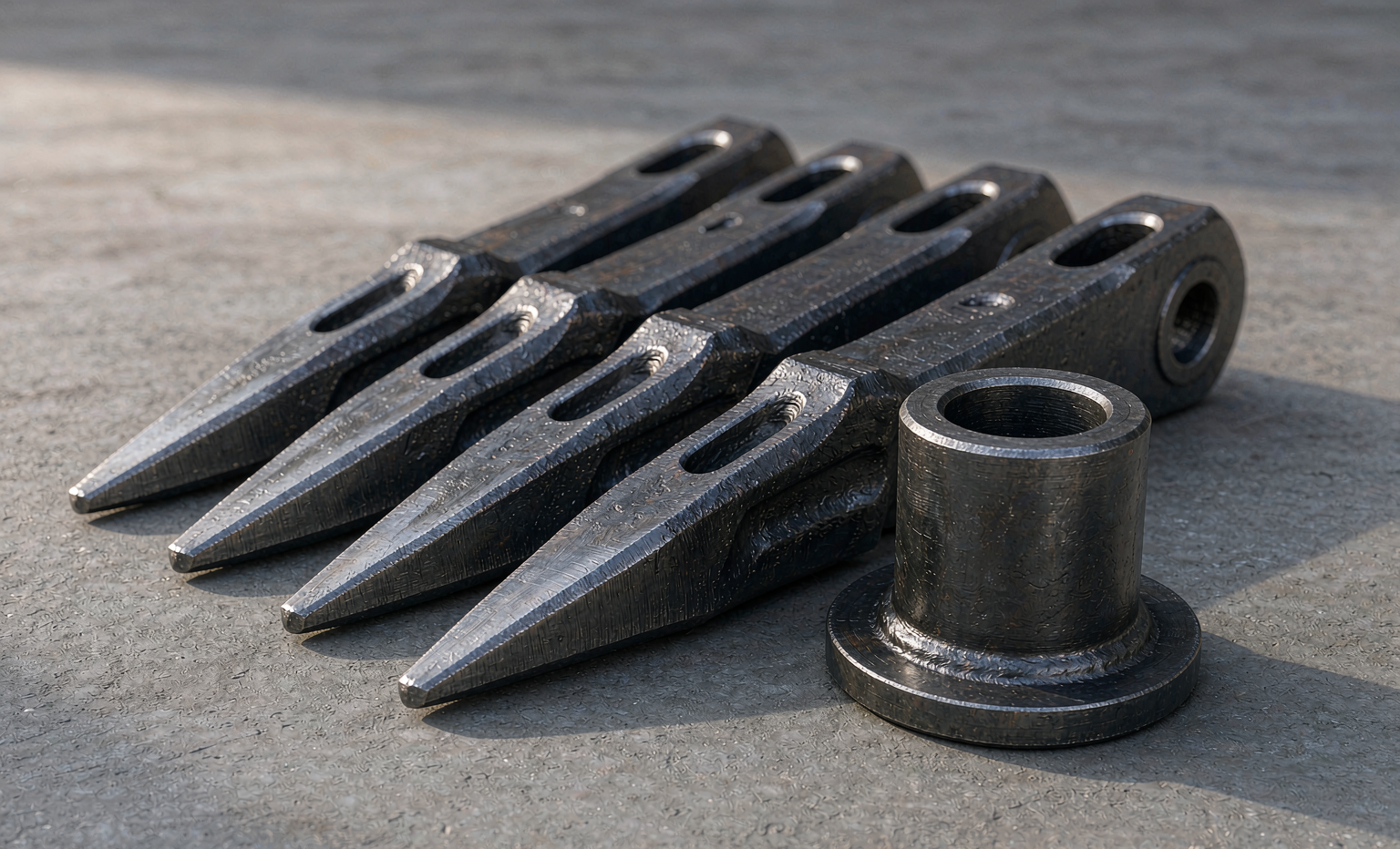
How to Match Excavator Bucket Teeth to the Right Adapter Nose (J200 to J400)
You match an excavator bucket tooth to the adapter , not to the machine. The adapter family — J200, J250, J300, J350, J400 — is set by two measurements you...Read more -
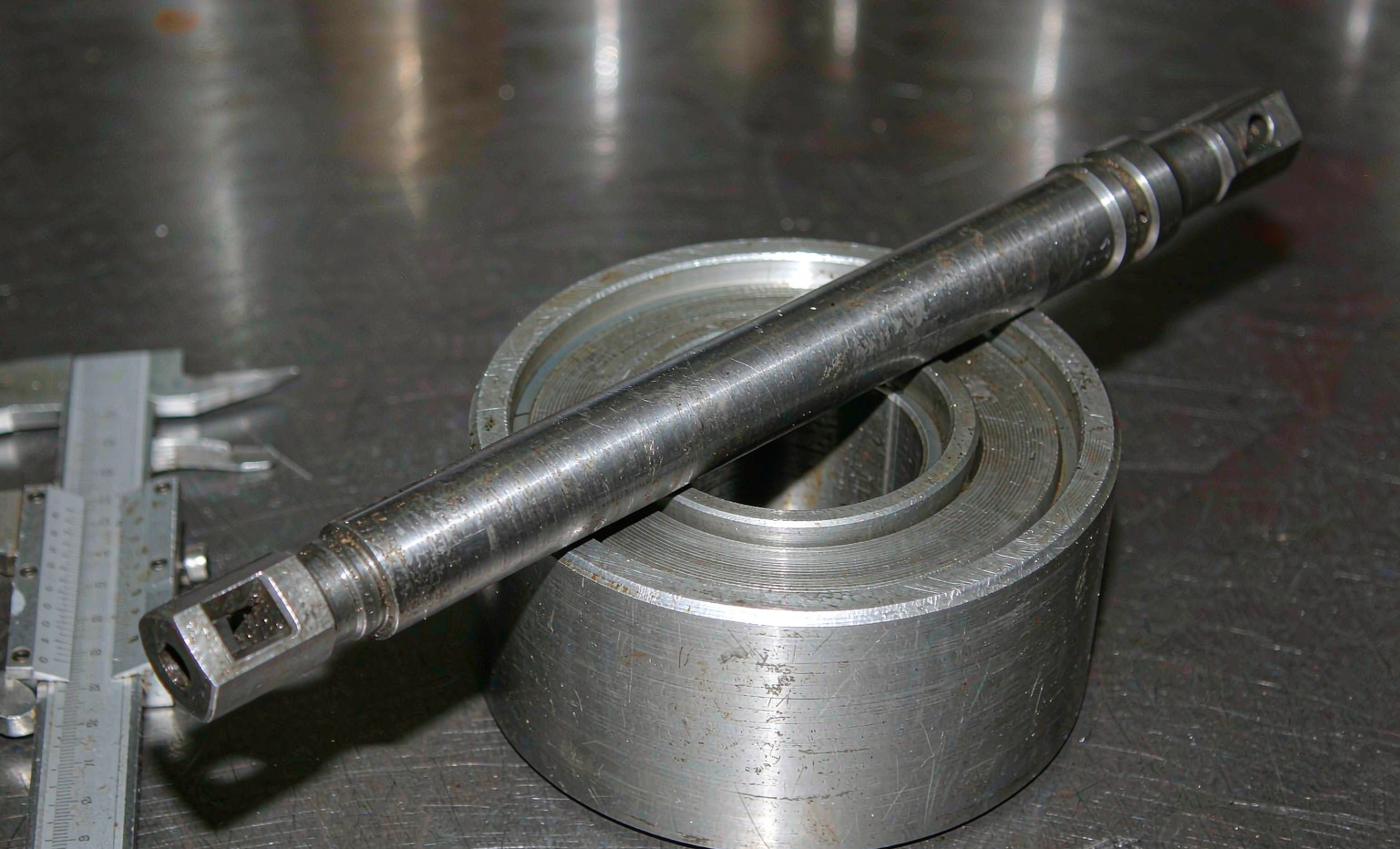
How to Spot a Worn Bucket Pin or Bushing Before It Damages the Boss
A worn bucket pin or bushing announces itself as play at the joint, and the fastest way to confirm it is to lift the bucket clear of the ground, rock it with...Read more -
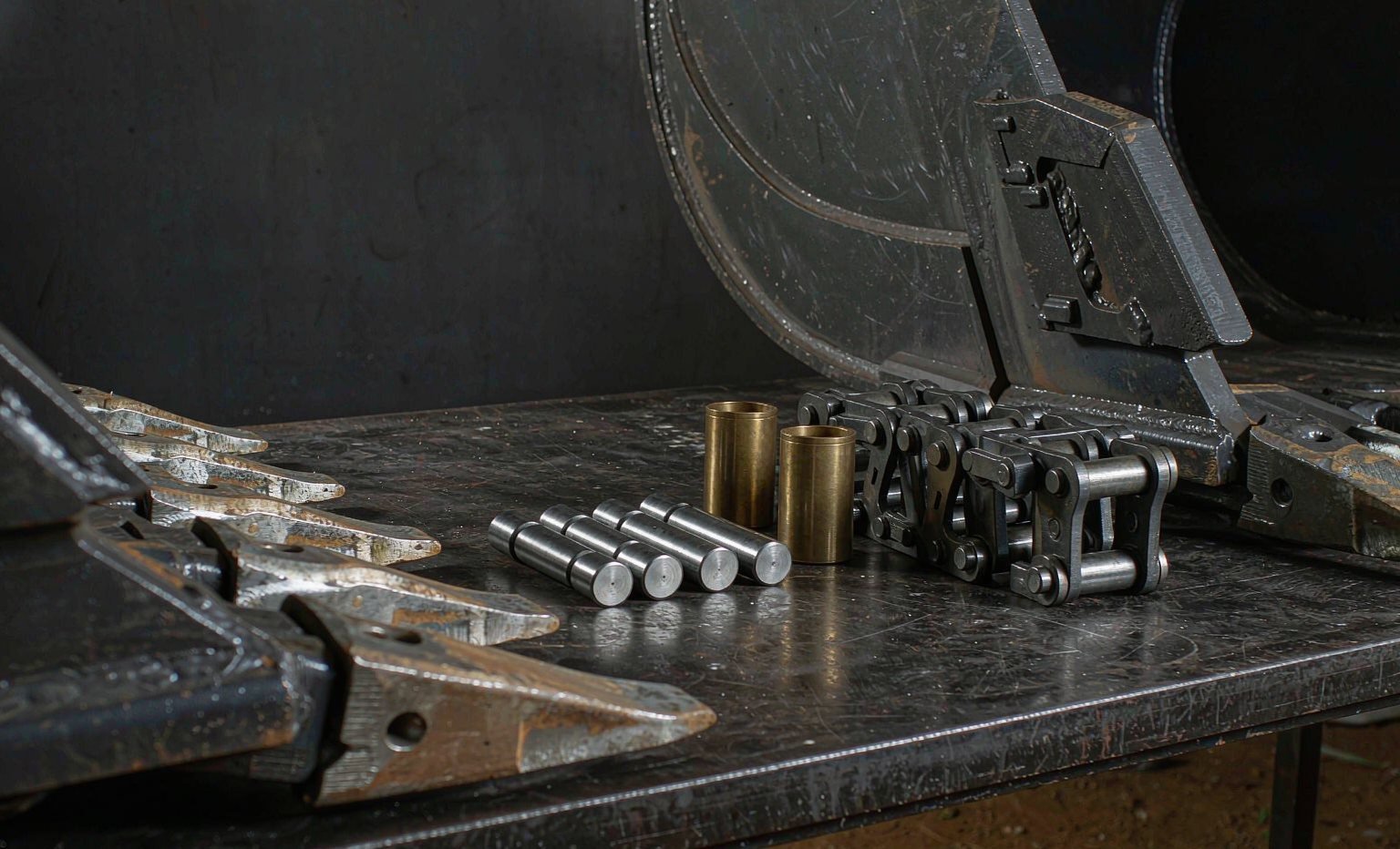
Bucket Teeth, Pins and Bushings: The Three Wear Parts That Decide Your Cost Per Tonne
Aftermarket research in 2026 puts a useful number on the problem: a single excavator involves more than 2,800 replaceable parts, and roughly 35 percent of...Read more